

Unveiling the hidden truths of modern health
At HBVS-PancyBliver, we delve deep into the profound impact of evolving pandemics on critical health areas, specifically cardiovascular and neurological conditions. Our journey began with the recognition of a 'great tidal wave': the intertwined effects of SARS-CoV-2 and its parasitic co-infections across a broad spectrum of diseases, from severe hypertension to neurodegenerative disorders. This unique perspective drives our passion to understand and address these complex health challenges.

The intertwined journey of diseases
Our research is inspired by the compelling observation of interconnected 'twindemics': the pervasive influence of SARS-CoV-2, often accompanied by parasitic co-infections, on a wide array of cardiovascular, cardiometabolic, atherothrombotic vascular, and neurological diseases. Over the past 13 years, we have uncovered surprising links between conditions such as severe hypertension, diabetes, and neurodegenerative demyelinating diseases, prompting a fresh perspective on their etiology and progression.

Togetherness
Togetherness: because health is an interconnected journey between the mind, the body, and the world we inhabit.
The communicable causes we have identified as pivotal in the pathogenesis of many severe non-communicable diseases—such as strokes, myocardial infarctions, pulmonary embolisms, and central cerebral or peripheral deep venous thromboses, as well as neurological and neurodegenerative disorders—are globally dispersed.
Diverse populations contribute uniquely to this common pathogenic mesh, depending on the prevalence of specific infectious noxae. In 2000, the landmark INTERHEART study investigated classical modifiable cardiovascular risk factors; however, communicable noxae remained beyond its scope. Consequently, a comprehensive reappraisal of parasitic co-infections as potential causal agents for these outcomes has yet to be conducted. We aim to foster such an investigation alongside international partners from diverse global regions, ensuring comprehensive coverage of the epidemiological distribution of both the noxae and the resulting diseases.

Sharing burdens & findings
Our global network is built on shared findings and collective responsibility, ensuring that no population is left behind in the face of emerging 'twindemics'. Through a rigorous scrutiny of clinical manifestations and drug effects—guided by the compelling observation of interconnected 'twindemics'—we explore the pervasive influence of SARS-CoV-2 and its parasitic co-infections across a wide array of cardiovascular, cardiometabolic, atherothrombotic, and neurological diseases.
Our hypothesis is that, over time or upon the triggering of 'storming' stimuli, latent infectious agents may alter the biological processes governing endothelial health, rheology, cellular metabolism, and endocrine regulation. This may even affect the fundamental functioning of the body’s most 'noble' transmission mechanisms across all biological processes. These pathways regulate the organism's entire communication network, from specialized neural tissues to essential cellular trafficking—the very essence of life.

Navigating the unknown
In a changing world, we are dedicated to navigating the unknown, transforming complex challenges into pathways for health. SARS-CoV-2 has presented unprecedented clinical manifestations, ranging from severe pulmonary distress and diffuse thrombosis to unexpected leukemoid reactions. Furthermore, an unparalleled upsurge in neurological diseases and progressive locomotor deficits has crossed the threshold of perception for both specialized physicians and the general public—many of whom have been personally affected or have seen relatives suffer from these conditions.
Communities have incurred a staggering burden of disability and a lost workforce, unparalleled in modern public health.
While we initially believed we had identified the primary offender, we may have been mistaken; we certainly lacked a precise understanding of the underlying disease mechanisms beyond generic cytotoxic damage. As time has passed and our knowledge has evolved, we must face the reality that we do not yet fully understand these pathogenic pathways. We may not have realized that SARS-CoV-2 could be little more than an accomplice, while the true 'killer'—a deadlier co-pathogen—has remained hidden. This is what we intend to report, based on what we have witnessed and the evidence that has unfolded before us.

Partnering on equality base
Our network is built on equitable partnerships, ensuring that insights from every region are valued equally in our collective fight against 'twindemics'. Our research is inspired by the compelling observation of interconnected 'twindemics'—the pervasive influence of SARS-CoV-2, often accompanied by parasitic co-infections, across a wide array of cardiovascular, cardiometabolic, atherothrombotic, and neurological diseases.
For over 13 years, we have uncovered surprising links between conditions such as severe hypertension, diabetes, and neurodegenerative demyelinating diseases, advocating for a new perspective to understand their etiology. Notably, critical cardiovascular data have accrued over the last decade: a sharp increase in severe thrombotic events, such as pulmonary embolism and deep venous thrombosis, was recorded between 2018 and 2024, with these episodes forecasted to double again by 2034.
Furthermore, according to data from the National Center for Health Statistics (NCHS), the prevalence of hypertension more than doubled across all age groups between the 2015–2016 and 2021–2023 sampling periods. Most notably, the 18–39 age group experienced the most significant surge, with a five-fold increase in hypertension rates (from 8% to 33%). The 40–59 age group also showed a substantial rise (from 33% to 53%). Conversely, the 60+ age group recorded the lowest relative increase (from 63% to 72%), though it remains unclear whether this is due to selection bias.

Overcoming and surpassing historical perspectives on cardiovascular diseases
At HBVS-PanCyBliver, we are dedicated to transcending historical perspectives on cardiovascular diseases by integrating the role of 'twindemics' into a modern medical framework. Two centuries of medical discoveries have established a trajectory of data on atherosclerosis and atherothrombosis based primarily on pathological and experimental findings
However, an in vivo, pathophysiological time-lapse of atherogenesis—mapped according to specific causal noxae and acute triggers—has never been fully realized. We have observed these 'time-lapse loops' repeatedly, witnessing both the progression of disease driven by suboptimal medical habits and its stunningly rapid reversal through virtuous clinical prescriptions.
The depth of literature describing this disease is both profound and unsurpassed, yet often remains ungrasped. We found the clinical outline of neurocysticercosis particularly striking as depicted in José Saramago’s 1991 novel, The Gospel According to Jesus Christ. Even through the practical-metaphorical lens of swine pathology, also disguising human formes, Saramago’s grasp of the disease is disconcertingly exact, offering a spectacular representation of health-related aspects that suggest a direct, profound understanding of the pathology.
Why us ?
A Unique Scientific Lens: We don’t just examine diseases; we track and trace their intertwined journeys. By integrating clinical scrutiny with a deep understanding of 'twindemics' (SARS-CoV-2 and parasitic co-infections), we reveal the hidden truths behind modern cardiovascular and neurological health. Are these culprits merely transient agents, traveling through our bodies? Our new pathogenic hypothesis, developed within the Italian context, reflects a typical Western reality—specifically Southern European populations—recently shaped by shifting demographics.
Far from identifying a so-called 'neglected' pathogen, the data we have gathered over the last two decades indicate that it likely represents a frequent and pervasive underlying driver of the increasing rates of hypertension, cardiovascular disease, thrombosis, and neurovascular illnesses. Similar trends have been observed in other global populations as well.
We wish to highlight the significant gap in medical awareness regarding published data on both human and animal neurocysticercosis. This condition carries a staggering cost of $32,000 per DALY averted (per 100,000), far surpassing the economic burden of both cancer ($25,000) and cardiovascular diseases ($24,000)
Directly involved
Clinical awareness remains insufficient regarding the transmission mechanisms and systemic pathogenicity of this noxa. Far from being a selectively targeted tissue, the central nervous system, once affected, merely signals that sufficiently high pathogen titers have entered the bloodstream to reach distal tissues.
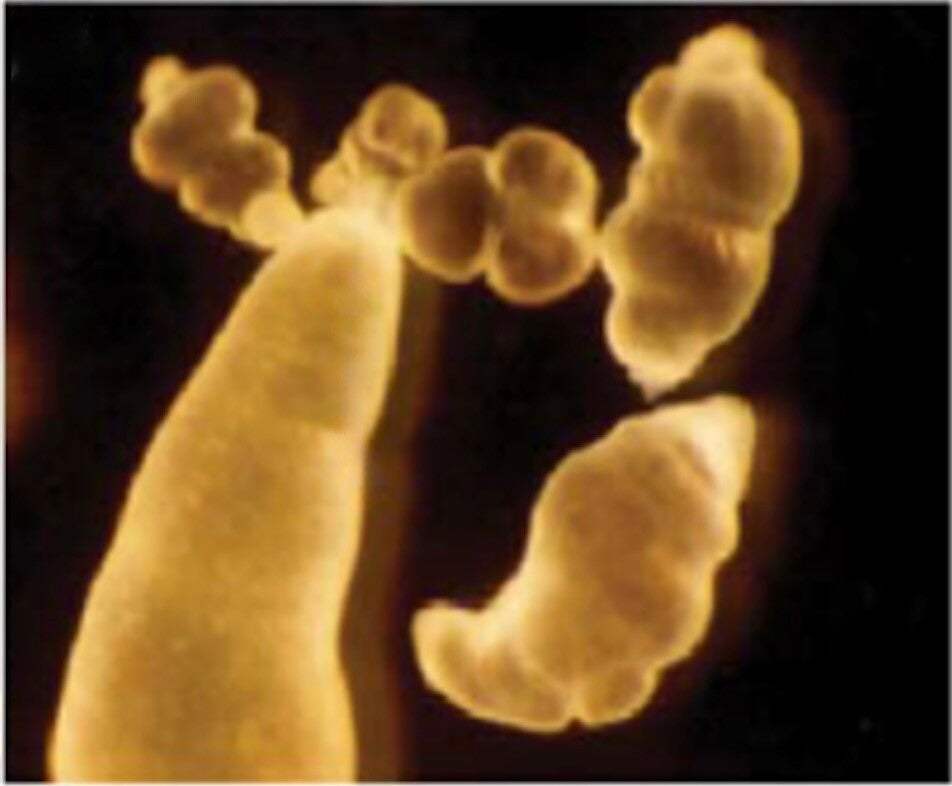
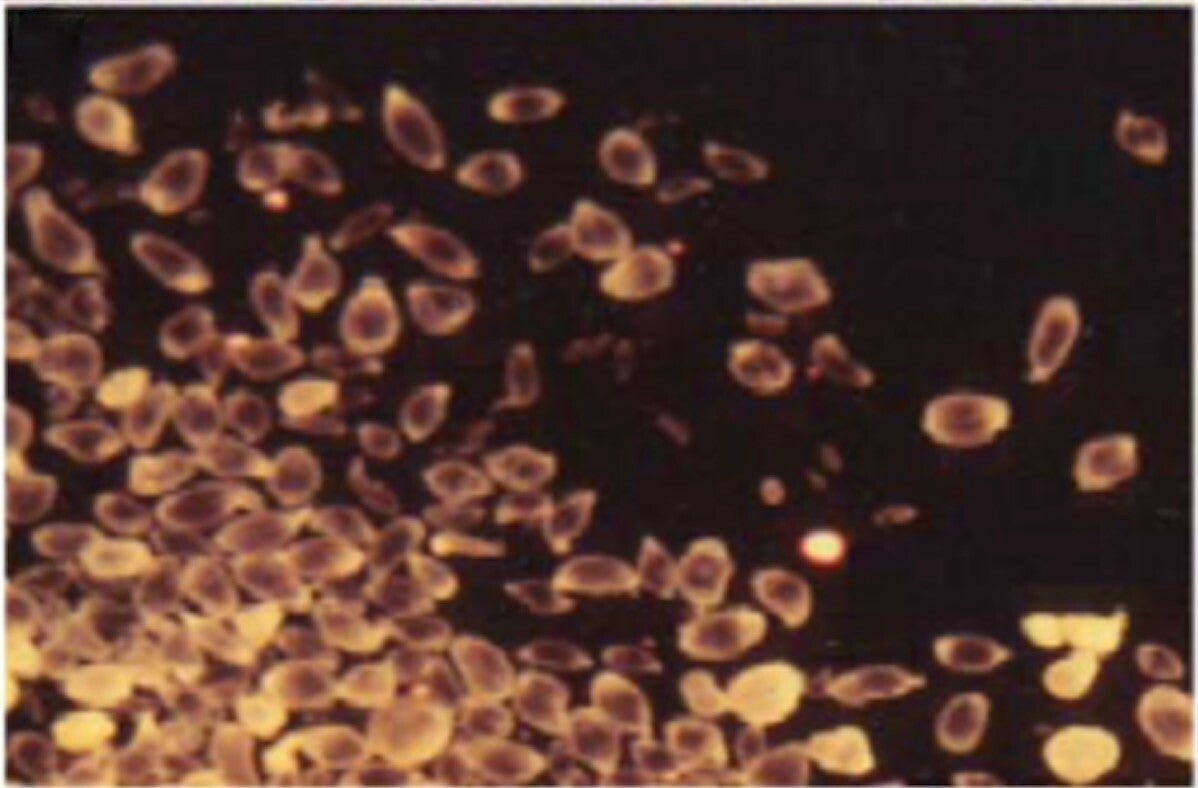
Through the common acts of eating, drinking, and traveling, we have encountered a now 'Westernized' culprit: the ova and larvae of Taenia solium (or other Spp), and their extracellular vesicles (EV), as small as 0.1 - 0.08 µ & less, containing either genetic instructing material and protein-enzymatic forms. Depending on various influencing factors, these may or may not progress into cysticerci or the adult worm. Contrary to classical medical textbook representations, we have observed that the standard parasitic cycle has been significantly altered—and decelerated—by SARS-CoV-2 and preceding SARS-CoV pandemics.
Crucially, these viral interactions appear to have exponentially increased the rate of asexual reproduction of the cysticerci. This 'multiplication yield' is self-sustaining: we have documented that when the initial concentration of cysticerci increases by a factor of 10, their reproductive rate accelerates exponentially in both number and diameter. This suggests a symbiotic viral-parasitic synergy that redefines our understanding of zoonotic disease in the modern era.
Beyond conventional diagnostics
Based on this central postulate—and considering the dimensions, quantity, and environmental resilience and durability of these ova and microvesicles (EV)—this heightened awareness could drive more proactive healthcare and environmental protection measures. However, current diagnostic techniques remain insufficiently refined; antigenic and antibody screenings frequently yield unreliable results.
Consequently, there is an urgent need for routine PCR amplification techniques targeting specific pathogen genes, which are currently unavailable in clinical practice. Furthermore, the refinement of the most effective mitochondrial genes—selected from the thousands present in the Taenia genome—could serve as unique markers for high-precision assays across various substrates. These markers could potentially be optimized not only for diagnostics but also for innovative immunization strategies."

Changing perspectives
What sets HBVS-PanCyBliver apart is our entirely unprecedented perspective. Traditional microbiological, biochemical, and pathological diagnostics have frequently proven insufficient for the timely identification of the causative 'noxa.' We have identified pathogens with immense daily replication rates—up to 500,000 copies—yet possessing microscopic, sub-detection dimensions, particularly when exacerbated by SARS-CoV-2 co-infection. This elusive nature allows a massive pathogen load to evade standard screening, causing incalculable damage to global health systems and societal productivity. We aim to illuminate these hidden burdens and redefine the diagnostic framework.
Does one answer explain it all?
Profound patient phenotyping and overcoming the challenge of silent chronicity have enabled us at HBVS-PancyBliver to address critical gaps in clinical predictive reasoning. Through a clinically-guided perspective, we have identified crucial manifestations within a proband family, where an adult Taenia was finally retrieved after an interval of several years. Remarkably, eleven years separated its retrieval from the first major symptoms, and six years from the second significant manifestation—both of which, in retrospect, were found to match all intercurrent clinical presentations.
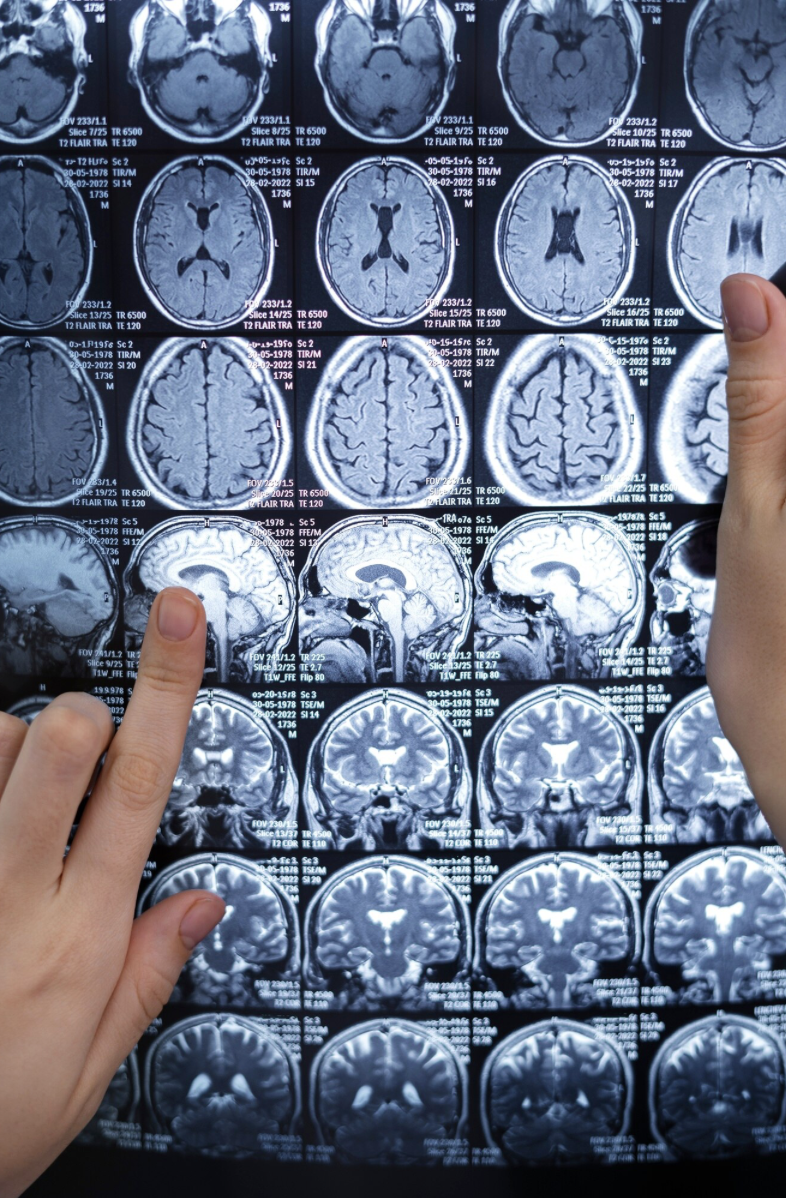
As traditional diagnostic techniques proved ineffective in this complex challenge, we discovered a distinctive and recognizable radiological signature using 3 Tesla MRI. This specific appearance consists of numerous small, generally circular microcysts. On T1-weighted images, these appear as 'micro-holes' (creating a 'micro-starry sky' pattern when multiple), filled with fluid that is isointense to cerebrospinal fluid (CSF) on T2-weighted sequences.
The number of these microcysts correlates with the pathogen blood titer, serving as a univocal diagnostic marker (a 'litmus test') on 3 Tesla MRI. Notably, these findings are not detectable via Computed Tomography (CT) or lower-field MRI coils.

Old approaches may not adequately answer enquiries
Cysticercosis is recognized as the leading cause of epilepsy worldwide. Traditional methods, such as electroencephalography (EEG), may offer some diagnostic support, but their ability to rule out cysticercosis in early or nuanced late-stage conditions is highly insufficient. A 3T head MRI provides far greater sensitivity.
However, the only reliable guide remains a comprehensive clinical reappraisal. This must encompass a detailed, multi-system clinical history, key epidemiological data, overall by systems recaps, and exhaustive physical examinations. Such a meticulous approach, centered on identifying unique and irreplaceable clinical markers, is essential for an accurate and safe diagnosis.
Beyond conventional diagnostics & treatments
What sets HVBS-PancyBliver apart is our truly unique perspective. Traditional microbiological, biochemical, and pathological diagnostic techniques have often proven insufficient for the timely identification of the causative 'noxa.' We have identified pathogens with immense daily replication rates—up to half a million copies—yet possessing microscopic, sub-detection dimensions, particularly when exacerbated by SARS-CoV-2 co-infection. This elusive nature has allowed a significant pathogen load to accrue while escaping detection, causing incalculable damage to health systems and societal productivity. We aim to shed light on these previously hidden burdens.

Divided by diseases, united by HBVS-PanCyBliver
A truly novel, time-dependent approach to disease has been our defining discovery of the last decade.
Many human illnesses are strictly dependent on infectious contacts—whether acute or, more critically, long-standing infections and infestations. In this context, individual immune competence is often a depleted resource, a leftover no longer sufficient to withstand the rising tidal wave of aggressive pathogens, with parasitic infections representing the most significant threat.
Since we are all interconnected, it must be recogniaed that we become affected with environment, with food and with one another, so that only a shared approach—uniting us in both care and prevention—can ultimately succeed.

Partnering all over the world and understanding interconnectedness
Who are we? Starting from an inner circle of five, we have grown into a community dedicated to global health and to understanding the pivotal interconnectedness of all human beings and living creatures on Earth.
Various actions can be undertaken to clear pathogens and, as far as possible, to counteract infections and infestations once contact has been established. Following exposure, we advise acute interventions in response to pathogens and warn against specific triggers or stimuli able to greatly worsen clinical presentations—be they food, drugs, stings, or other allergens. Furthermore, we advocate for long-term strategies to address the persistent 'seeding' of pathogens within the bowels and vascular system. We also provide reappraised immune-protective initiatives and guidance, offering tangible benefits to individuals and their wider communities against these parasitic threats.
As our health is intrinsically linked, it must be recognized that only a shared approach—uniting us in both care and prevention—can ultimately succeed.

A foundation of deep expertise
HVBS-PancyBliver is spearheaded by a leading researcher, scientist, and physician whose extensive background establishes us as a trusted authority for critical health information. With a remarkable 30-year career in cardiology, ten years of clinical practice in neurology, and a sustained 15-year research focus on infectious diseases, our expert is uniquely positioned to lead groundbreaking work at the complex intersection of cardiovascular, neurological, and pandemic-related health outcomes.
"HBVS-PanCyBliver's insights are crucial for understanding today’s most pressing health challenges. Their work empowers us to appreciate timely scientific developments and their potential to significantly reduce the global health burden on society. "
A health-conscious individual