


Cardiovascular field: swinging & swirling around us
Over the last four years, we have focused on how cardiovascular health is progressively compromised by the accumulation of 'unknown' disease intermediates. This process effectively isolates the human organism—at the cellular, tissue, and organ levels—from healthy interactions with the surrounding environment, including, most critically, the electromagnetic dimension.

Beyond the Plateau
The field of cardiovascular (CV) research, in its pursuit of restoring CV health, has recently reached a developmental plateau.
Its previous exponential growth appears to have attained an asymptotic limit, thereby restricting the therapeutic index of existing drugs.
We believe we have identified the nature of this boundary through a new lens: the magneto-electrochemical theory of metabolism, scrutinizing what this boundary was formed of.
By leveraging the principles of precision and personalized medicine and recognizing commonalities among diverse genetic, environmental, and lifestyle factors, we have identified a 'common thread' underlying varied clinical presentations. Our primary tool remains our long-standing clinical experience, which serves as the guide for revolutionizing prevention and treatment strategies—ultimately enhancing patient outcomes and the standards of care in cardiology.

Magnetoelectrochemical Lenses: Pushing Metabolism Boundaries
These revolutionary lenses have allowed us to deepen our insights and foster a profound advancement in the fundamental understanding of cardiovascular (CV) medicine.
Consequently, therapeutic tools have experienced a powerful surge in both scope and potential, unveiling previously unforeseen options. By building upon and transcending established knowledge—and its often limited prospective solutions—this new metabolic re-interpretation of CV medicine, guided by magneto-electrochemical principles, has surpassed the boundaries that both cardiologists and patients confront today.
Specifically, the rigid nosologies of standardized diagnostic and therapeutic workflows have proven largely inadequate to address the root causes shaping the increased severity of CV clinical presentations observed in the wake of recent pandemics.

Wide-ranging
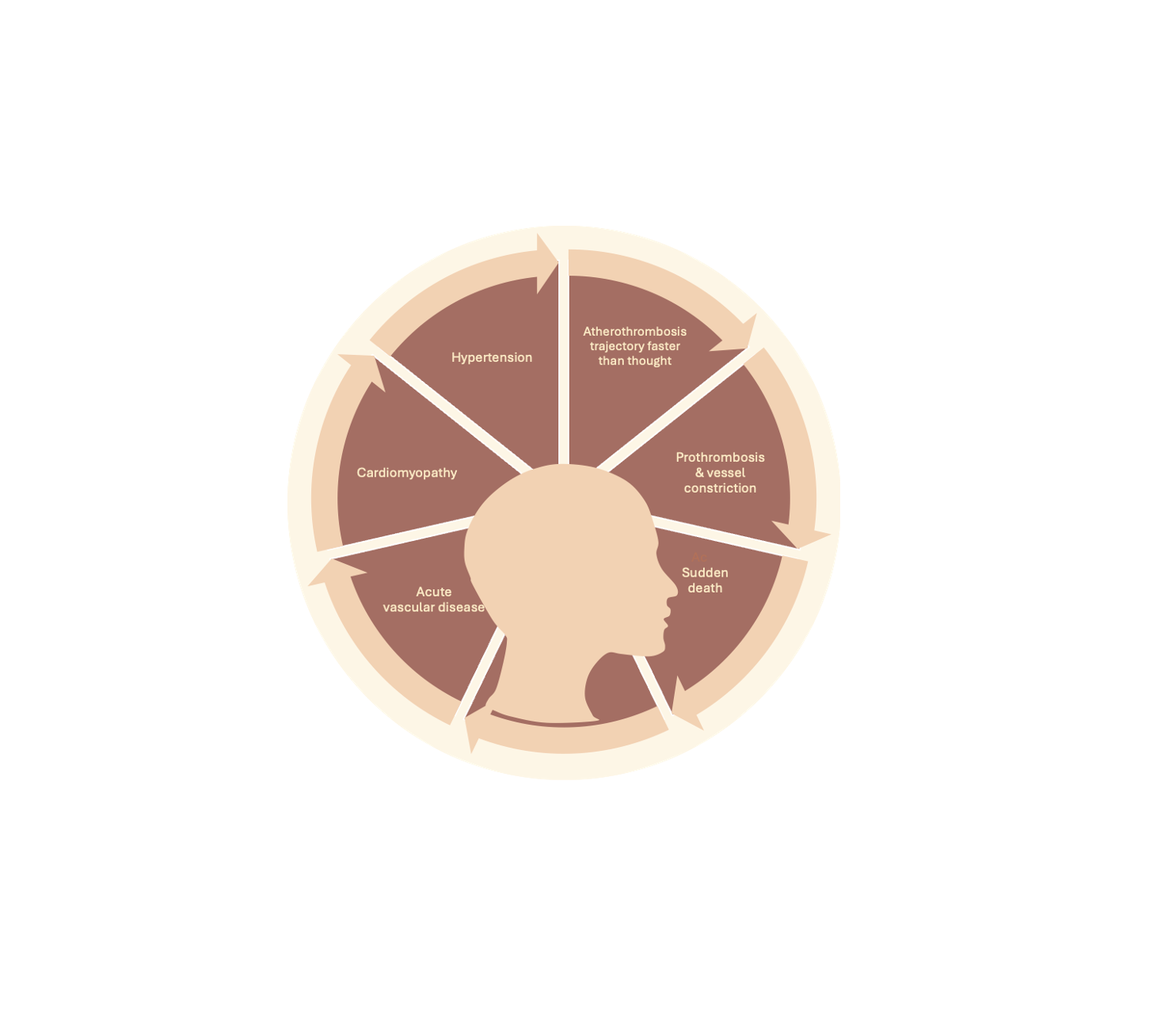
Over the last quinquennium, a surge in severe clinical manifestations has emerged, irrespective of patient age: total aortic thrombosis, new patterns of diffuse thrombotic and septic microembolization, accelerated atherogenesis, and intractable resistant hypertension. We have also observed an increased frequency of massive deep vein thrombosis, new-onset cardiomyopathies, and a heightened prevalence of arrhythmogenesis. Furthermore, ischemic vasospastic syndromes—affecting not only the myocardium but the systemic vasculature of the entire body—alongside severe acute hypertensive crises and ensuing cerebral hemorrhages, have become increasingly common.
There is rising concern regarding the impact of these cardiovascular (CV) diseases on public health, as healthcare systems face unprecedented strain from surging hospital admissions and long-term management needs. Addressing all this requires the urgent implementation of tailored preventive measures, broader awareness campaigns, and advanced research into innovative treatment protocols. A truly multidisciplinary approach is essential—one that fully integrates the public health system and general healthcare into a comprehensive restructuring of cardiovascular care.

Shared Pathogeneses - Triggers
The clinical pictures listed above are characterized by an emerging class of injuries identified through strengthened diagnostic protocols. These findings have highlighted a widespread and severe dysfunction of the crucial flow-metabolism unit, occurring alongside a sharp rise in the incidence of diabetes, metabolic syndrome, and resistant hypertension, as well as diverse new atherothrombotic presentations.
Furthermore, novel factors driving increased vasoconstriction and coagulation—including unique immune and prothrombotic 'assets'—have been identified in common or less common drugs, food & beverages, sustained chronic or allergic triggers. These factors interact with electromagnetic fields capable of eliciting histamine-mediated vascular involvement within specific predisposing conditions. This marks the beginning of an entirely new chapter in cardiovascular medicine, encompassing the complex clinical presentations of the modern era.
Lifestyle factors also play a critical role: excessive meat consumption (a source of potential infection) and poor hydration quality may act as metabolic disease proxies, disrupting the body's optimal energy distribution and critically modulating the flow-metabolism unit.

Atomic & Cell Levels: Connected
Accordingly, by bridging the atomic and cellular levels and investigating the electromagnetic signaling between cells and the extracellular matrix, the magneto-electrochemical theory of metabolism offers a pivotal standpoint for redefining the diagnosis and therapy of many non-communicable diseases.
We propose that one of the most important event is the transfer of magnetic energy quanta to macromolecules (lipids, proteins, and membranes) and organelles (mitochondria, RER) also extending to the water molecules enshrouding hydrophilic protein and enzymatic complexes.
This 'nanoscale-confined' or 'interfacial' water acts as a medium where magnetically-energized enzymes are invigorated, while 'toxins' or 'chemicals' that typically disrupt physiology are inhibited.
Intracellular and intercellular energy flows, along with magnetized interfacial water, facilitate and better mediate the stronger EMF-induced interactions among neighboring molecules.
While these dynamics are characteristic of younger tissues and define the 'anti-aging' potential of interventions capable of aligning, harmonizing, or shortening T1 relaxation times, they may be also reproduced and recreated by specific external energy exchange. Ensuing shorter T1 times reflect enhanced energy exchange, by allowing molecular systems to relax faster and maintain higher physiological coherence.

Magnetic Energy Quanta
Beyond cell-to-cell or parenchymal networks, biomagnetism establishes extensive systems for electron and proton conductivity.
We hypothesize that these are supported by enhanced spin-magnetic information transfer (spintronics) networks, occurring not solo in water but in all flowing biological fluids and tissues as a result of magnetic hyperbaric oxygen. The primary intermediate of this process appears to be a uniformly 'aligned' and hyperpolarized spin mass (↑e⁻ ≫ ↑H⁺ spins) within the interfacial water layers surrounding enzymes and tissues.
These aligned, hyperpolarized spins correlate with the shortened T1 relaxation times observed via MRI in biological matter following hyperbaric oxygen exposure. Despite its significance, conventional chemistry has largely overlooked the role of magnetic fields (MFs) as powerful enhancers of energy quanta exchange in living systems.
Equally novel is the concept that MFs facilitate intercellular communication and organellar networking—specifically among mitochondria—thereby accelerating the trophic and regenerative processes essential for treating both communicable and non-communicable diseases. We have found these conditions to be significantly improved by this proactive nuclear hyperpolarization.

Prime Choice and Last Resort
As the appreciation of these non-communicable effects of Hyperbaric Oxygen Therapy (HBOT) follows its recognition as an irreplaceable primary choice and last resort for severe communicable infections, these dual proofs suggest a causal link between communicable and non-communicable diseases, bringing novel medical paradigms to light.
Following the development of the SEQEX® ion cyclotronic resonance apparatus (CE 355/MDD) and the subsequent patenting of other specialized tools (US Patent No: 9,737,725 B2), we believe we are the first researchers to recognize the profound value of magnetic energy transfer mediated by HBOT in the fields of cardiovascular, vascular, and cardiometabolic diseases. This approach offers an unprecedented yield in terms of organized clinical care and treatment programs.
Studies have documented that exposure to intense HBOT produces a substantial shortening of T1 relaxation times (up to 33%). This has been assessed through concurrent 3 Tesla MRI evaluations during HBOT at pressures up to 4 ATA in both animals and humans. This phenomenon is explained by the paramagnetic properties of hyperbaric oxygen, specifically its ability to transition between singlet and triplet states under pressure.
While previously assumed to be solely a direct effect of oxygen's paramagnetic properties interacting with biological molecules—specifically through its singlet and triplet forms generated by the hyperbaric technique and causing an uniformedly increased tissue T1 relaxation rate (lower T1 times)—these reduced T1 times are fundamentally linked to the interaction of energized molecules among themselves.

Magnetic Energy Quanta
We propose that HBOT, by energizing molecules via radical pair mechanisms, significantly impacts lipid metabolism. We hypothesize that the uniform reduction in T1 relaxation times on MRI serves as a reliable 'mirror' of increased lipid shuttling rates across high-performance mitochondria. While enhanced mitochondrial metabolic rates and efficiency have been documented, it remains theoretically plausible—though yet to be fully proven—that HBOT promotes lipid detoxification, lipid-driven pyruvate and amino acid (AA) degradation, and the utilization of AAs for mitochondrial biogenesis and quality control within both the mitochondria and cytosol.
Indeed, HBOT optimizes fatty acid oxidation efficiency and lipid tolerance; furthermore, metabolic flexibility (the shift from lipid to pyruvate utilization) appears intensified as a result of externally applied magnetic fields. Whether the mitochondrial shuttling and utilization of pyruvate and amino acids are similarly enhanced by radical pair mechanisms remains to be determined. Our hypothesis is that the documented efficacy and versatility of HBOT in treating cardiovascular diseases (hypertension, thrombosis, accelerated atherosclerosis, and cardiomyopathies) primarily relies on its ability to provide a selective metabolic enhancement to host cells, rather than to pathogens.
Many crucial magneto-activated biochemical reactions in the host are achieved through radical pair formation and energy transfer via hyperpolarized electron-to-proton spins (↑e⁻ ≫ ↑H⁺), establishing a selective and exclusive advantage for human cells over infecting agents.
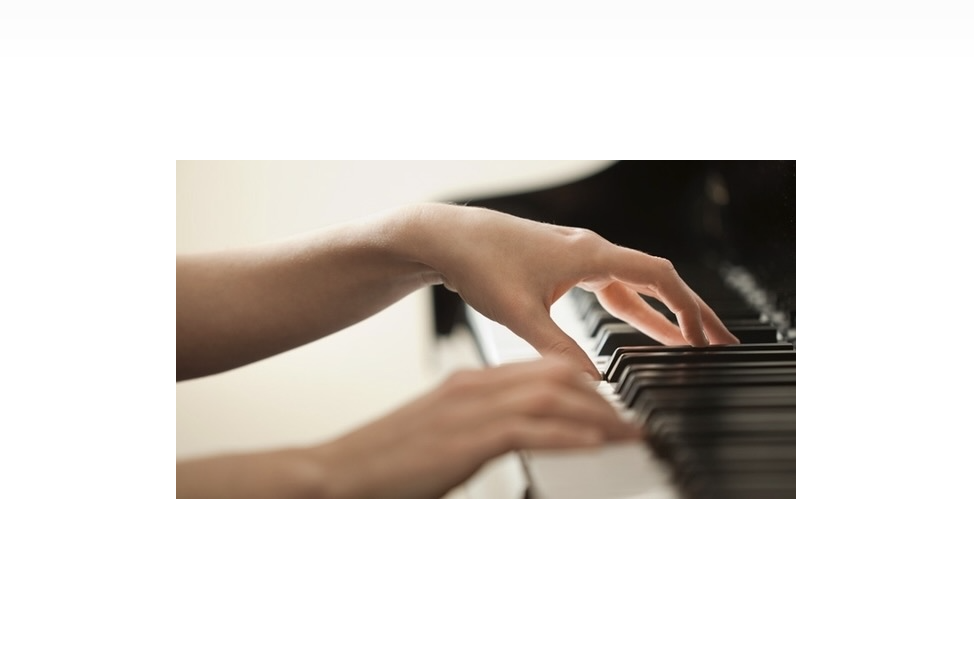
Magnetosynthesis. The Sound Waves of Healing
Harmonic resonances, the fundamental components of music, provide a channel for optimal energy distribution at the resonant frequencies of the receiver. By potentiating these frequencies, the spatial projection of sound has been shown to induce Acoustic Effector Stimulation (AES). This is considered pivotal in human health and in healing human diseases, acting through both electromagnetic coupling —where sound waves indirectly influence EM properties indirectly via changes in air densities, able to refract electromagnetic waves— and the SPEEC theory (Sonic Propagation of Electromagnetic Energy Components). According to SPEEC theory, still to be verified, sound propagation creates minor EM components - studied by holophonics and holography sciences -, and moves through space as a spherical medium, mirroring Maxwellian electromagnetic wave behavior.
Even the Lorentz force itself, the MF's main known one, emits a recordable sound, just as magnetic fields (MFs) modify the calling song of crickets. Like musical waves, other forces can produce and enhance magnetic waves directed towards the human body. The body acts as a ductile resonator — specifically within the heart, cardiovascular (CV) system, and the brain — and across its whole entirety, where vessels and organs serve as targets for in-depth improved microscopic biological functions.
Permanent MFs applied to plants improve biological quality, by increasing linolenic acid concentration, and total unsaturated fatty acid content. In animals, they ameliorate high-fat diet-induced intramyocellular lipid accumulation by activating fatty acid consumption.
Curiously, the benefits of biomagnetic fields on humans remain under-documented. The heart, in particular, which generates the body's strongest MFs (as assessed by magnetocardiography, Mooney J), can receive significant assistance from applied MFs. We have realised, by providing them, that the regular application of HBOT, can ✦ lessen or completely resolve hypertension ✦ heal previous or ongoing arterial and venous thrombosis ✦ halt and delay atherogenesis & atherothrombosis ✦ significantly reduce infiltrative damages in cardiomyopathies and affected CV system.
Originally utilizing HBOT for its anti-infective properties —specifically targeting cysticercosis— we were struck by the magnitude of its non-communicable CV effects. Although we have managed infectious diseases in intensive cardiac care since 2010, we were initially skeptical of links between pathogens, even intracellular as Chlamydia, and atherogenesis. However, during the coronavirus pandemics, it became abruptly clear: the underlying infectious cause was the parasitic cysticercosis threat, disseminated throughout the bloodstream and tissues.
In our clinical reappraisal, we grasped the notion that the infectious cause that HBOT was curing together with thrombosis and atherothrombosis, by tackling its anaerobial ova and EV and adult form, were the parasitic cysticerci, spreadly disseminated throughout the vessels, the bloodstream and tissues. Such a propagation led to an "unavoidable accumulation of EM errors — a biophotonic imbalance, that serves as the true proxy of disease negatively influencing the final health or disease product —.

Magnetoreception..
Magnetoreception, described by researchers Nordmann, Hochstoeger and Keays as ‘perhaps the least understood’ sense that evolution equipped life with', is the faculty to derive information from the Earth’s and other magnetic field and use it for biologically relevant purposes.
Geomagnetic fields (GMF), varying between 20 and 98 µT, are essential components of our environment. They consist of a constant geomagnetic base and fluctuations - that can reach 5% of the basal GMF (1-7 µT), with magnetic storms quantified as comprised between 70 to 900 nT. These oscillations are caused by either solar activity-magnetic storms, or man-made Time-Varying Magnetic Fields (TVMF) -
electrical networks and transportations causing TVMF ranging 0.05-2.6 µT, becoming 0.3–2.5 µT near high-voltage power lines, and near transformer stations, up to 20 µT, if 380 kV, or 400 nT if 15 kV, and 70-80 µT for mobile phones, while all RF-induced EMF are very low frequency ones -.
Until recently, the primary recognised biological effect of GMF, was the regulation of the chronobiological clock of circadian rhythms in animals and human beings. However its role in abiogenesis and chiral purity is equally significant. In addition, other than Earth's, added magnetic fields were reported as important for life, and despite this, they remained surprisingly understudied, as to their interaction with living beings.
Just as birds navigate Earth's magnetic fields via chromophore-containing cryptochromes, receiving Earth magnetic fields, used to move all together across their direction, similarly human beings act as sophisticated receivers of magnetic information from multiple sources.
First among many, Austria recognised the role of music therapy, as from its beginning hints released by Oct 2006 Mozart & Science Congress, mainly recognizing its impact on Autonomous Nervous System (ANS), through the lenses of neuroscience, chronobiology and chronomedicine. Modern, wider perspectives now suggest that Electromagnetic (EM) waves resonate at various frequencies, facilitating biological communication either directly - via biophotons -, or by exciting the electromagnetic habitat. In this framework of immersive EM environment, DNA acts as an active magneto-transmitting entity, rather that a mere list of crude instructions.
Nature presents EM fields, through a. photons for light transmission b. phonons (quasiparticles, namely both particles and waves) for sound and heat transmission, and c. pure EM waves interfering with them. Notably, research in 2015 demonstrated that pure EM waves can induce phonons to collide among themselves by stimulating in each of them a magnetic moment of opposing direction, or to scatter when immersed in a diamagnetic field. This phonon-induced diamagnetism was suggested as a freshly new mechanism for inducing coupling between phonons, thermal energy and magnetic systems. These forces contribute to the formation of EM vortex rings, within the immaterial fluid which of electromagnetism.
Magnetism is the most powerful force available to modify spatial, temporal, and mechanical properties of biological targets. Nonetheless, previous physics' research, before HBOT, only believed that high-performance magnetism-to-mechanical force transducers with advanced spatiotemporal capabilities, could be magnetic nanoparticles (nanotweezers, Kim Jk Acc. Chem. Res. 2018).
We have discovered that HBOT transforms human cells into natural magnetized actors.By enhancing the cell's ability to receive and transmit magnetic energy, HBOT reshapes human physiologies, and resets dysfunctional systems.
Human bodies are powerful EM "wireless" harvesters (receivers and transmitters). Magnetic fielda and ultrasound can induce simultaneous energy harvesting, and energy-transfer, converting magneto-acoustic energy received from magneto-electric (ME) devices into bioelectricity, and generating significant microwave power densities (52.1 mW, with a power density of 597 mW/cm-3). This suggests that the body — and specifically the mitochondrial pool— can be "recharged", much like a lithium-ion battery, restoring optimal energy levels to the entire organism.
Je sais que tu sais
Since 1999, investigations have focused on the link between infections and atherogenesis, but only recently we understood with striking surprise that the involved pathogens were not the manyfold-suggested Chlamydia or intracellular bacteria, but rather the parasitic cysticercosis.
Within just two months of initiating Hyperbaric Oxygen Therapy (HBOT), we observed a progressive restoration of CV integrity. This was achieved through received HBOT-provided EM energy quanta, so that ✦ definite normalisation of high blood pressure (BP) was achieved, ✦ improved CV diastolic function was attained with inherently reduced pulmonary venous pressures, ✦ the amount of myocardial cysticercal infiltration, indiscernible from host myocytes, since both contain myosin, was substantially abated (with a corresponding well-appreciable at least 6 mm reduction in inter-ventricular septum thickness) without the risk related to dreadful cytotoxic drugs as niclosamide (performing life-threatening "pharmacological biopsies" on myosin and host cysticerci at the same time), ✦ an overall improved blood rheology was documented by symptoms ✦ resolved previous, still remote, or ongoing arterial and venous thromboses (even at retinal venous sites) were appreciated ✦ coronary symptoms of vasospasm were all averted ✦ atherothrombosis progression even in conditions of protracted contraindicated antiplatelet treatment was halted, which previously had appeared menaciously rapid, by symptoms ✦ vascular-seeded cysticerci ova and EV gradually died, so that provisional antihistamine administration was no longer needed before any session, nor after them, nor outside of therapy to avoid histamine-caused mild hypertensive bouts, but only at occasions ✦ heart arrhythmogenesis attending myocardial infiltration was even dominated and resolved, which appeared relapsing for protracted periods of HBOT withdrawal, due to other external (non medical) causes ✦ a cardiac-centered improved microvascular beds'perfusion was achieved, so that even important trifascicular conduction disturbances were reverted ✦ finally an overall heightened whole-body microvascular beds' perfusion was attained, with improved whole-body health.
It ought to be clarified that, beside the long-term, sustained and strong hypotensive therapeutic effect, we recorded an initial mild side effect, due to cysticercal parasite dying (across the very first month of uninterrupted 3-hr-long b.i.d. sessions, & proportionally to previous disease duration or burden). The definite blood pressure improvement after sessions persisted, but short-lived transient hypertensive bouts, early after sessions, from histamine released by dying cysticercal ova spread in the vasculature, were efficiently dominated by provisional cyproheptadine syrup 0.4 mg (1 ml) before any session in the 1st month of any initial treatment. Without it sessions were most often followed by short-term increased BP (by about 10 to 20, but seldom even 30-40 mmHg systolic and diastolic BP), promptly sensitive to the oral antihistamine cyproheptadine (0.4 to 0.8 mg, ≃1 to 2 ml p. os).
Wholly casually, as forced by a very severe traumatic head injury dictating an immediate cyproheptadine withholding, and temporary (10 days) HBOT interruption, with a later (40 days) low-pressure 1.2 ATA (vs 1.5 ATA) regimen of HBOT, we documented that syrup was no longer needed to dominate BP, for two long months, since we had begun to keep lighted our Himalayan salt lamp. When suddenly its light bulb burned out, having already resumed the 1.5 ATA pressure regimens, we believed to have heuristically discovered a powerful enhancer of the already known, magneto-related BP decrease (Nishimura, Hyp Res 2011), so that the transient histaminergic effect of dying cysticerci resulted negligible and the 20-30 mmHg rises in BP no longer persisted.
Indeed, during the withheld cyproheptadine, by keeping turn on, during sessions, close to HBOT, the Himalayan salt lamp
- containing abundant N tx -6th at elements' concentration rank- possibly working as nitrogen vacancy centers, normally used to hyperpolarize nuclear spinsꜛe- >>ꜛH+, and transfer polarization to nearby nuclear spins according to DNP principles-
such hypertensive drawbacks were totally avoided, while relapsing on the 4th day of lamp interruption. Anyway, If you are taking β-blockers or amiodarone, be aware their effect could be potentiated by the lamp. In such a case, remind the prompt antidotal effect of common dairy products, to be assumed in small amounts, and consult your trusted primary practitioners and cardiologists on their posology and likely needed controls and monitoring.
The lighted Himalayan salt lamp kept close, made HBOT 1.5 ATA a wholly safe, & active therapy, even for protracted times (> 6h/day).Contextually, HBOT's vasoactive long-term benefit producing sustained BP lowering was maintained and reinforced, thereby consenting total withdrawal & withholding of antihypertensive (and cyproheptadine) treatments.

A backwards telescope
We believe the powerful cardioprotective HBOT effects are mainly related to its ability of creating/harvesting powerful bioenergy to be delivered to the organism. As suggested by MRI studies of HBOT, this is documented by increased energy exchange, reflected in uniformly reduced and aligned T1 times within tissues.
In far 1963, G. Baule & R. McFee were the first to measure the MFs produced by the human body.
While in a field in Syracuse, NY, they acquired the recording of the MF of human heart: the first magnetocardiogram (MCG). Although the heart produces the strongest MF (approx 50–100 pT), it remains a minute MF, —a picotesla (pT) is < a billionth of the field strength in a standard MRI—. Conversely, as the MF of the Earth is 30 millions pT, a human heart's MF is ≈ 0.5 millionth of Earth MF, collectively
the sum of MFs from all hearts from world global population it could be represented, as nearly 16 times the magnetic fields of the Earth.
The Earth's field does not obscure the single person's heart’s field because it is largely static. Notably, MCG signals are roughly 1000 times stronger than those of neurons, and 100 times stronger than the ⍺ rhythm on an EEG.
In 1970, D. Cohen, F. Bitter, and J. Zimmerman conducted the first biomagnetic measurements using SQUID magnetometers, modeling the heart as a single dipole with time-varying position, orientation, and strength (Roth BJ, Sensors 2023). Due to limitations of magnetically-shielded chambers and cryogenic technology, and even cesium and rubidium-related mild nuclear toxicities, more practical and safe alternatives have emerged, such as optical pumped magnetometers (OPM)s, operating in Spin-Exchange Relaxation-Free (SERF) mode.
It is well-established that humans have their own biomagnetism, and exhibit magnetoreception through Mag (magnetoreceptor) and cryptochromes (Cry 1 & 2), located in retinal ganglion cells, and other tissues. While the connection to a conscious "sense" of direction remains unclear and potentially light-dependent, cellular magnetoresponses involves calcium influx and heightened activity of Carnitine Acetyltransferase (CrAT) ,and Medium-Chain Ketothiolase (MKT). These enzymes coordinate respectively fatty acids (FA) oxidation and Acyl-Coa levels, or lipid tolerance and completion of lipid β-oxidation flux.
We hypothesize that applied MFs not only enhance FA oxidative capacity (MKT), and adjusted metabolic flexibility (CrAT), but also avoid that increased mitochondrial and glycolysis rate, would in turn gather toxic CoA. Additionally we believe that applied MFs improve lipid metabolism and lipid-operated mitochondrial viability and performance. These processes likely involve critical B-vitamin-sensitive checkpoints, within the enzyme flow at pre-Krebs steps, which are positively modulated by magnetic stimulation,
Furthermore, it is documented that MFs can upregulate lipolysis, reduce lipogenesis, and decrease intramyocellular lipid accumulation, by promoting fat consumption. Consequently, the mitochondrial metabolic rate of mitochondria is expected to increase under the MFs provided by HBOT.
However, we contend that biomagnetism does not act alone; piezoelectricity likely plays a significant role in assisting these metabolic processes.
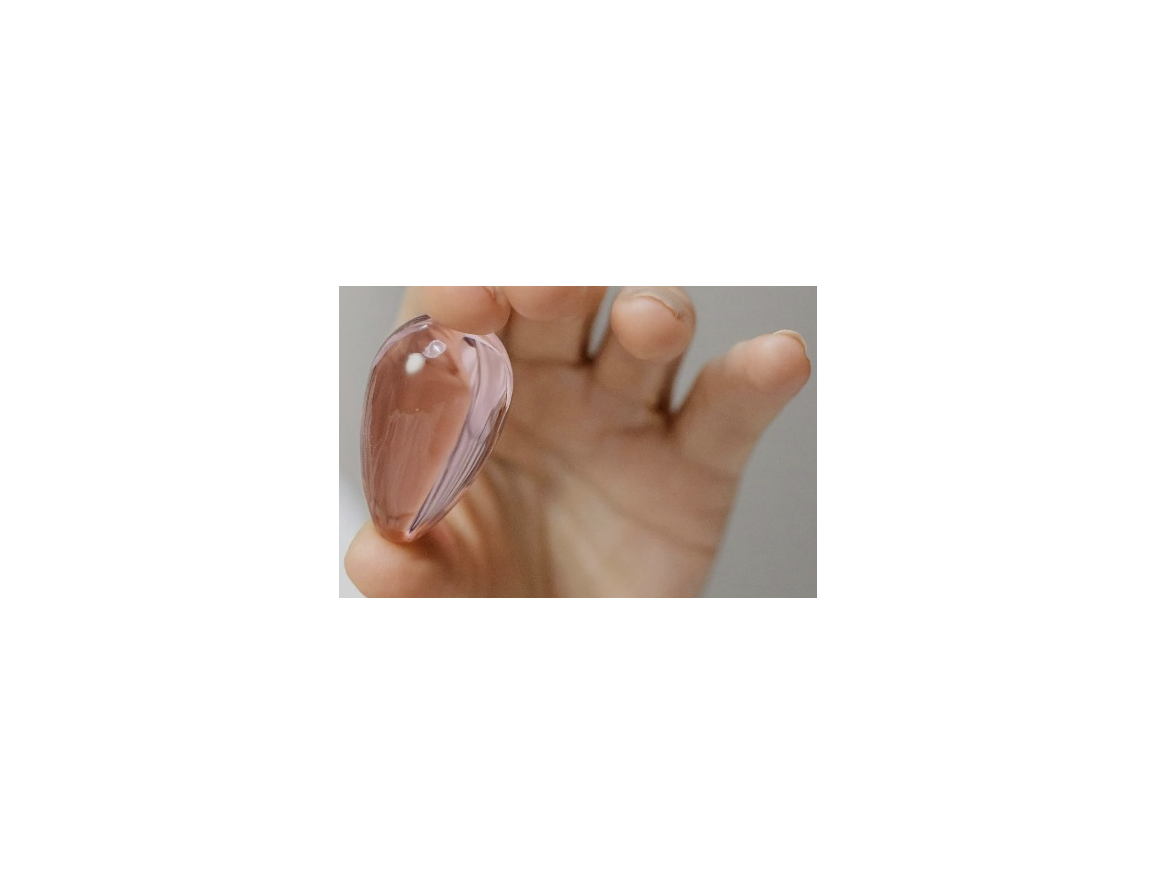
One mountain quartz
Quartz is a premier piezoelectric material, historically considered the king of resonators (only recently surpassed by synthetic Lead Zirconate TItanate and Lithium and Barium salts). Like other piezoelectric sensors, it is distinguished by its durability, reliability, and sensitivity, qualifying it as one of the most efficient energy harvesters, for electrical power "generation" and exploitatioin.
Piezoelectric materials or techniques convert mechanical stress into electric voltage and vice versa, interacting strongly with electromagnetic fields. Due to their insulating and low-dielectric loss, they can exhibit optical activity, and shield X-rays lower than 60 keV, making them suitable for high-power electronics.
As quartz behaves, also human body does, even producing a "symphony" of bio-piezoelectricity effects: they can range from regenerative medicine to tissue engineering, involving DNA, cheratin, enamel, dentin, elastins, tendons and cheratin, but also all body content in collagen, scaffolding tendons, ligaments, bones, cartilage, skin, the heart, and blood vessels.
External magnetic fields appear to potentiate bio-piezoelectricity in "wireless mode"
not only by generating charges, but by enhancing the electric currents involved in human bio-piezoelectricity, according to a phenomenon termed biocatalysis. It appears that HBOT, by its specific nature, perfectly aligns magnetotransferred energy with the biopiezoelectric effect, fulfilling the requirements for a comprehensive biophysical interaction with biological matter. Consequently, both mechanisms seem to support life in its movement through perturbations towards homeostasis. and in its interactions with environment. The bio-piezoelectric appears to bridge energy, particles and cells and their organised structural complexes within the same framework, promoting homeostasis of living organisms in an entropic environment, — a concept applicable for .✦ brain stimulation ✦ cell proliferation ✦ drug enhancement ✦ tissue engineering—.
While magnetoelectric effects are exploited in diagnostics (magnetocardiography, magnetotomography, magnetomyography, magnetoneurography) their therapeutic potential remains underutilized. We identified a relevant study by Cheng T (IEEe Access 2018), which investigated how hyperbaric conditions (in air and not oxygen) can potentiate energy harvesting effected by a piezoelectric diaphragm.
Specifically, we found of interest the concept that bio-piezoelectromagnetism-operated energy harvesting could play a reinforcement of the relevant biomagnetism role exerted on lipid, and lipid-operated mitochondria metabolisms.
Our hypothesis is that magneto-received biological signals, — measured/measurable after exposure to hyperbaric paramagnetic oxygen, and transmitted by radical pairs mechanisms, or reinforced by piezoelectric mechanisms —, primarily involve increased lipid shuttling across mitochondria. This process is commensurate with the TCA Cycle's functional rate, maintaining metabolic flexibility and preventing by a needed and not overcome measure - excessive lipid oxidation, that could paradoxically increase ROS. Interestingly, the concept of metabolic flexibility regulating mitochondrial choice between lipid and glucose substrates was firstly identified in parasite metabolism (Kohler P. Mol Biochem Parasitol 1985), and, what’s more, as far as 1985. By utilizing the mapping Lipids relaxation Enhancement (MOBILE) imaging technique, the paramagnetic properties of oxygen (which is more soluble in lipids than in water) could be used to selectively measure Lipid T1 relaxation times indicating cellular lipid dynamics, albeit representing integrated whole-tissue, and not specific mitochondrial lipid content. Multistaged procedures could be proposed to provide a window into cellular lipid dynamics and mitochondrial efficiency. In particular, it could be detected whether these magnetised lipids are more rapidly rolling across mitochondria or in the "general cell", having excluded they could belong to shuttling proteins across mitochondrial membranes.

A two swans' sea
We had the infectious song and the allergic countersong, entwined.
Powerful forces are involved in the capacity of HBOT to restore the dominance of the human organism over infectious agents. By providing energy equivalents to be employed for sustaining lipid and other metabolic pathways, HBOT supports important biological field, including immune response, protein synthesis, DNA shielding, and mitochondrial metabolism.
Before realizing the full extent of this potent biological effect — characterized by high tolerability and manageable mild or absent side effects— we had already identified the dual nature of cysticercosis: its infectious and allergic components. We observed significant dysreactive pathophysiological responses well before than the successful establishment of HBOT. These allergic manifestations, which pre-exist treatment, range from mild to near-anaphylactic reactions (e.g. to hymenoptera stings) and tend to increase in severity with disease duration.
Alongside plain allergic manifestation, vascular dysreactive appearances "in disguise", were all perfectly epitomised by increasing hypertension severity, hypertensive bouts and really frightening and deadly hypertensive storms, to be considered the main, real, and often life-threatening, histaminergic product, antihistamine-reverted, of cysticercosis disease.
Among these 'disguised' vascular dysreactive appearances, hypertension stands as the most critical histaminergic product of cysticercosis.Severe hypertensive bouts and life-threatening 'storms' should be considered primary markers of the disease, often reversible with antihistamines. Consequently, hypertensive manifestations serve as a surrogate diagnostic marker for cysticercosis across all ages, including childhood - where subtle increments, such as 10 mmHg rise in diastolic blood pressure, may manifest as cephalea- Such signs should prompt in-depth investigations, especially when accompanied by allergic, infectious and diarrheal symptoms.
Among diagnostic tools, due to the still poor performance of serologic/antigenic and not refined PCR techniques, 3T-MRI of brain-neuraxis appears as the most sensible technique, if accompanied by a thoughtful clinical reappraisal, especially if diarrheal, allergic or other co- or super-infectious symptoms accompany it.
These early dysreactive symptoms appeared to us as the allergic countervoice to pure infectious symptoms of cysticercosis illness. We had the infectious song and the allergic countersong.
Allergic in nature cysticercosis signs are indeed:
✦ the very first gastrointestinal manifestations upon contagion (unrestrainable and quite suddenly immediate watering diarrhea, to be considered really suspect of happened contagion) ✦ the observed sensitisation to any other allergene ✦ hypertensive illness state induced by all the common elicitors of histamine-increasing activity (by competition with diamine-oxidase or by histamine release from gut storages), among which stand for frequency tyramine and tyramine releasing foods, such as cheeses, preserved meats and fishes, or fermented products up to even beer and wine, not to speak of the directly histamine-releasing activity of the scombroid syndrome from ill-preserved foods.✦ hyperacute thrombotic manifestations upon drug importantly triggering histamine release (fluoroquinolones and aminoglycosides, opiates, radiocontrast media, and certain anesthetics) ✦ the same hyperacute thrombotic manifestations presenting even upon a strenuous effort ✦ greater thrombophilic risk (manifesting as w/out cause pulmonary embolism (PEs)), or even as very early PE after known thrombotic stimuli such as fractures ✦ most frequently & loudly speaking histamine-releasing stimuli: insect stings, drugs, certain anti-influenza allergenic vaccines, smoking ✦ rare drugs-induced vasoconstrictive/thrombotic drawbacks: MAO inhibitors, drug for Parkinson or psychiatric indications, MAO interfering activities from some neuroleptic agents.
All the above should be promptly recognised in order to be treated with antihistamines - and not steroids or other non-causal drugs. Moreove all ⍺- and β-adrenoceptor-blockers and even ACE-inhibitors may result paradoxically pro-hypertensive and prothrombotic -, and should also mandate more in-depth investigations, aiming to detect and causally treat the disease.
Heart-protecting environment
Controlling environmental allergy sources is paramount, for a vascular deeply endowed parasitic disease as short- or long-term cysticercosis, where the anatomo-physiological substrate sustains a consistent atopic/allergic infectious pathological basis, able to manifest spreadly. By avoiding “eliciting” stimuli. the inherent peptidergic-mediated arteriolar constriction and thrombosis, & ensuing hyperadrenergic tone, will be abated.
Currently, only basal and provoked tryptase assay, alongside the anti-histamine ex juvantibus efficacy, remain the two most solid, cost-effective and accessible pillars for a tentative causal diagnosis of cysticercosis as the underlying driver of hyperaminergic and hyperadrenergic states, rather frequently provoked and disclosed by intercurrent “elicitig stimuli”.
Once the environment and food chains are cleared from allergic elicitors, efforts must focus on abating the environmental cysticercosis burden in soil, water, air, agriculture and feeding chains. Although the WHO has recommended a concentrations of ≤1 helminth egg/L in wastewaters, grey water used for irrigation and a complete absence in drinking water since 2006, large-scale actions remain insufficient. While a 20 µm sieve can effectively concentrate oncospheres from samples, and antigens have been retrieved in serum, the detection of ova and EV, remains hindered by insufficiently sensitive techniques. Also, a removal of various (non specifically taeniid) helminth eggs by centralised and decentralised wastewater treatment plants was reported as realized in South Africa, Lesotho, Brazil, and India. Sludge inactivation was shown to be possible, by applying thermal treatment at 108 °C, irradiation at 1000 Gy or more, and pasteurization at 70 °C.
However, for Taenia ova and EV, no standardized, reliable, highly-sensitive and highly-specific genetic molecular method (PCR), or even flow cytometric (FACS) technique, already tested and validated for the diagnosing Taenia in body fluids or environmental samples, has been reported, nor recommended, which could help in people and environment diagnosis. Not even papers on a comparison between the two PCR and FACS methods as to the more rapid and reliable, are available up-to-date, to the best of our knowledge, for the purpose of epidemiological environmental assessments and safety, and of human studies. Furthermore, there is a lack of standardised protocols regarding centrifugation time and speed, sample size, sedimentation time, storage conditions, extraction kits, etc., are lacking, which are critical for reliable epidemiological assessments.
To the best of our knowledge, no comprehensive research has utilized metabolomics, genomics, and proteomics to study Taenia ova and Taenia-derived microvesicles in index population or local water basins. with easy to assess PCR or FACS techniques, as above detailed, The stunning environmental durability of this materials (ova and EV), as long as months and years, even in waters and with cold, sustain the strong and far-reaching disease yield of this parasitosis, as regard to outcomes’ burden vehiculated by individuals through geographical regions. An eradication program not employing harmful drugs (niclosamide), but to be realised with other, physico-chemical, means, could be realised, on these premises, by matching the advanced characterisation techniques with the clinical endpoints of the study, and would represent a significant medical advance.
To understand how recent pandemics have worsened this disease yield, prospective studies must update the outdated 2009 background data. That study documented a national 24% mean cysticercosis seroprevalence, which became 21% when living > 50 meters from a carrier, increased to 32% when living < 50 meters from a carrier, and then grew into 64% when living in homes of carriers. Also, the vicinity of affected pigs is paramount, and mother-to-offspring human & animal passage through milk/colostrum is documented.

Aortic & vein syndromes. For a strong scaffolding
Having established that cysticercosis — a deeply seeded vascular disease —, is the primary driver of various hypertensive syndromes, atherothrombosis and purely vasoconstrictive or thrombotic pathologies, a further diagnostic step was warranted.
Many aortic syndromes characterized by extensive endoluminal thromboses, or damaged collagen scaffolding represent a remarkable and often unavoidable common pathway for untreated cysticercosis. This also encompasses severe, unexplained, deep venous thromboses.
The primary perfusing framework of the human body consists of aorta and its large branches. Cysticercosis can affect any of these, facilitating acute atherotrombotic episodes in large conductance arterial vessels, that supply large thoracic or abdominal organs, as well as the limbs. These events may be unleashed by single, powerful triggers, such as histamine-releasing foods or drugs, capable of precipitating life-threatening manifestations, within hours or days, regardless of the patient age.
Furthermore, acute histaminergic storms induced by vascular-seeded cysticercosis can crucially coordinate both the constriction of conductance arteries (resulting in hypertension) or the vasoconstriction of resistance arterioles and reduced flow in capillaries. The resulting clinical picture is one of significantly impaired perfusion across distal vascular beds, manifesting as parcellar ischemia or hypoxia, in organs such as the pancreas, liver, or intestines.
Similarly, limb perfusion may be compromised, leading to severely reduced-nearly abolished microvascular flow.
Conversely, more common atherothrombotic phenotypes more commonly involved, are generally the thrombotic phenotypes involve abdominal vessels of various calibers. The resulting ischemia, combined with concurrently induced, strikingly high blood pressure, can precipitate dreadful aortic dissections —cases of which have been already documented in Japan, during recorded infection episodes—. Cysticercosis frequently favors such complications due to its characteristic immunosuppressive activity. Finally, the role of large veins in body's architecture must not be overlooked, as cysticercosis may predispose individuals to unprovoked thromboses or thrombotic episodes occurring much earlier than clinically expected upon external stimuli.
Iron Resin Sculpture by Graeme Lougher: Woman walking in the woodlands.

The value of physical exercise
Flow-metabolism coupling is a well-established physiological mechanism that regulates the critical balance between vasodilation and perfusion, This process ensures efficient lipid metabolism and adequate glucose uptake, particularly within skeletal muscle and other high-demand tissues.
Beyond emotional stress and anger, basal “background” factors —such as cold temperatures, adverse weather, and prolonged sedentary habits— can induce significant vasoconstrictive stimuli. These factors are highly likely to exacerbate early-stage hypertensive or glucose-intolerance clinical pictures by impairing the physiological function of IGF-1-mediated flow-metabolism coupling.
Both histamine-induced and hyperadrenergic states can constrict the vasculo-metabolic coupling functional unit. Conversely, physical exercise in warm or confortable environments can mitigate the arterial and arteriolar constriction responsible for hypertensive and hyperglycemic readings.
The critical importance of the exercised skeletal muscle is thus reaffirmed as the central site of healthy flow-metabolism coupling. This suggests that sedentary behaviour may play a 'permissive' role, in the progression of concealed, initial muscular cysticercal infestation, potentially acting as a major contributor to the advancement of diseases affecting both skeletal muscle and the heart — both of which are central to cardiovascular-metabolic health.
In addition to the peripheral musculo-vascular unit, impaired vasodilation extending to distal perfusion beds and microcirculation, can significantly impact pancreas syntheses. Indeed, peptidergic and adrenergic-mediated constriction has been observed to precipitate the pathophysiology of hypoxic-ischemic acute pancreatic failure. This manifests clinically as insulinopenic diabetes, and insulin resistance, corresponding to hypoxic-ischemic impaired flow-metabolism coupling, and/or compromised insulin secretion. Notably, these conditions appeared to resolve with HBOT, which facilitates vasodilation and pro-survival cellular activity, whereas muscular exercise primarily modulated flow-metabolism coupling.
The insulinopenic damage resulting from ischemic-hypoxic pancreatic insult —likely triggered by the initial parcellar ischemic challenge related to vasoconstrictive pathophysiology, could be further exacerbated by hypoxic damage. This damage appears to preserve counterregulatory α-glucagon-synthesizing as compared with ß-insulin-producing pancreatic cells. However, both forms of damage appeared reversible (the insulinopenic component partially so), through a combined approach of antihistamines, insulin-sensitizing agents, and antihypoxic pancreatic-rescuing HBOT treatment, established upon timely diagnosis.
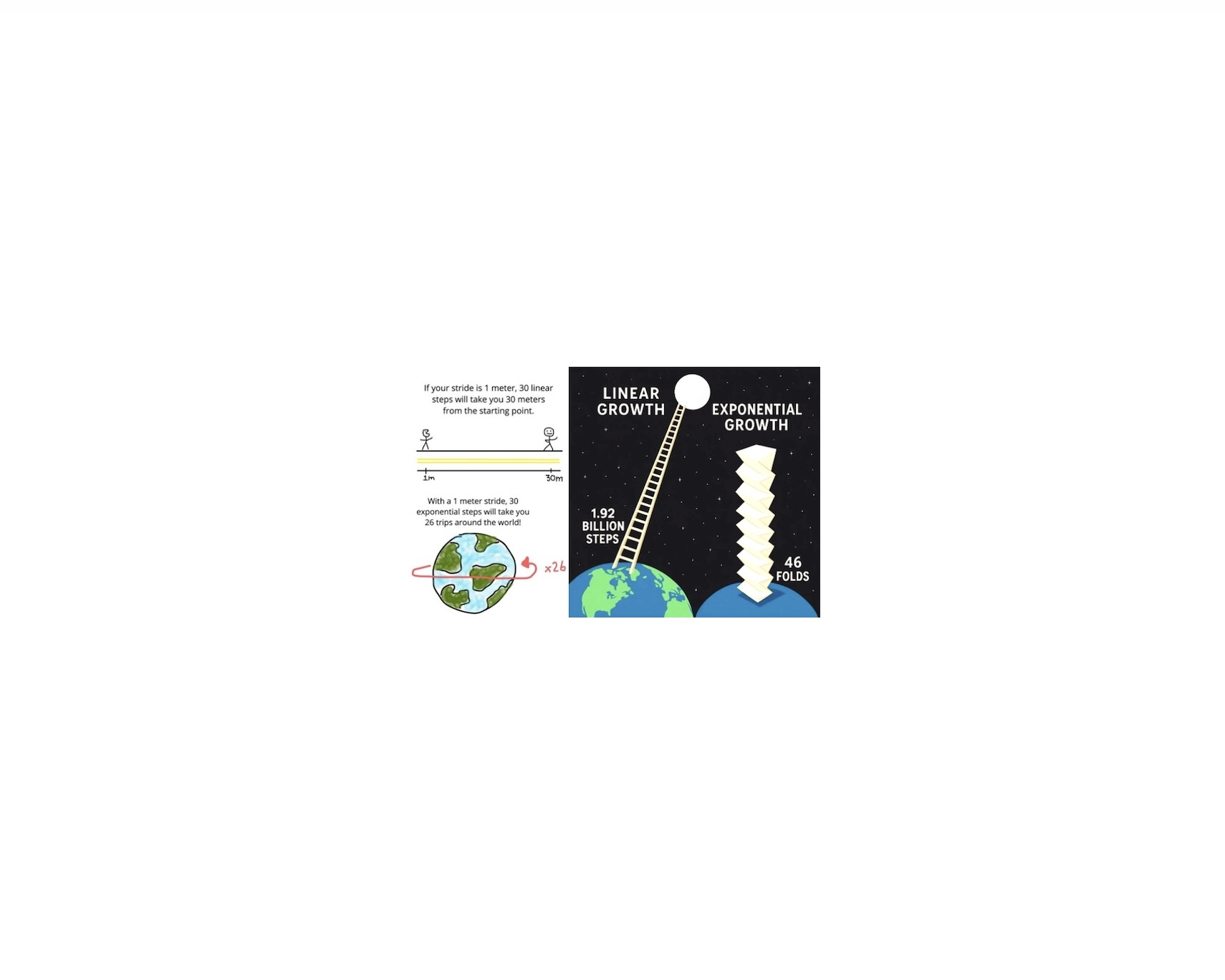
A factor of ten. Exponential damaging from 10% to 10x.
How it works and what you should know if the stride isn't yours.
Far from being an 'exponential life', as some AI tools may have been suggested in other far more rewarding fields, it is an exponential disease-death cycle.
Crucially, it has not yet been publicised in regulatory recommendations or clinical research, the prioritary information that
cysticerci within human tissues and cells may proliferate via asexual replication, in a proportional way with their basal concentrations in tissue reached by the bloodstream, according to an exponential accrual, from 10% to 10X.
This process occurs independently of the presence or absence of the adult Taenia Solium intestinal worm adult form. Following ingestion or oro-fecal contamination, the parasite reaches the tissues via the bloodstream, where it undergoes exponential accrual, increasing from a basal 10% to a 10-fold (10x) magnitude. As illustrated in the figure on the right, the rate of growth or replication, is directly proportional to the initial measure of cysticercal "crowding" or parasitic titer. The primary conditions favoring this asexual multiplication appear to be the inter-parasite proximity and the exchange of secreted/excreted products. This 'shipping' of molecules occurs through extracellular vesicles (EVs), which transfer proteins, nucleic acids, and lipids, These EVs not only facilitate an increase in cysticerci diameter, but primarily drive local numerical multiplication, further generating widespread EVs detectable in body fluids in measures related to the 'parasitic titer' of the infectious contagion, in itself reducing intercysticerci distance and favoring communication and shipping processes.
Under controlled experimental conditions, both the size in diameter and the number of cysticerci increase, in direct proportion to the basal count —as seen in '10 cysticerci (10C) versus the 1 cysticercus (1C) per well cultures', where the higher density is associated with a significantly greater number of buds.
Factors such as hormonal signals, stress and energy availability, further modulate this wave-like accrual alongside increasing densities from 1 to 10 cysticerci per well (1C, to 5C, to 10C), and to presence or absence of favouring factors, either accelerating or breaking the multiplication rate compared to basal levels.
Beyond the rapid self-reproduction from a high initial 'departure number,' the most critical finding is that these cysticerci—by releasing content directly or through EVs even into the cytoplasm—not only support each other but directly damage host intracellular processes. Specifically, they impair the metabolic functioning of mitochondria in neighboring cells and tissues, likely through the inhibition of the PI3K enzyme.
While historical reports date back to antiquity, and modern autopsy or imaging studies provide dreadful evidence, the first well-structured demonstration of this asexual multiplication was documented in 2010 by Ostoa-Saloma (J Biomed Biotechnol 2010, ex-vivo experimental protocol).
What has fundamentally changed since then, is the global diffusion of the disease, significantly exacerbated after by the waves of severe Coronavirus pandemics, begun since 2003.
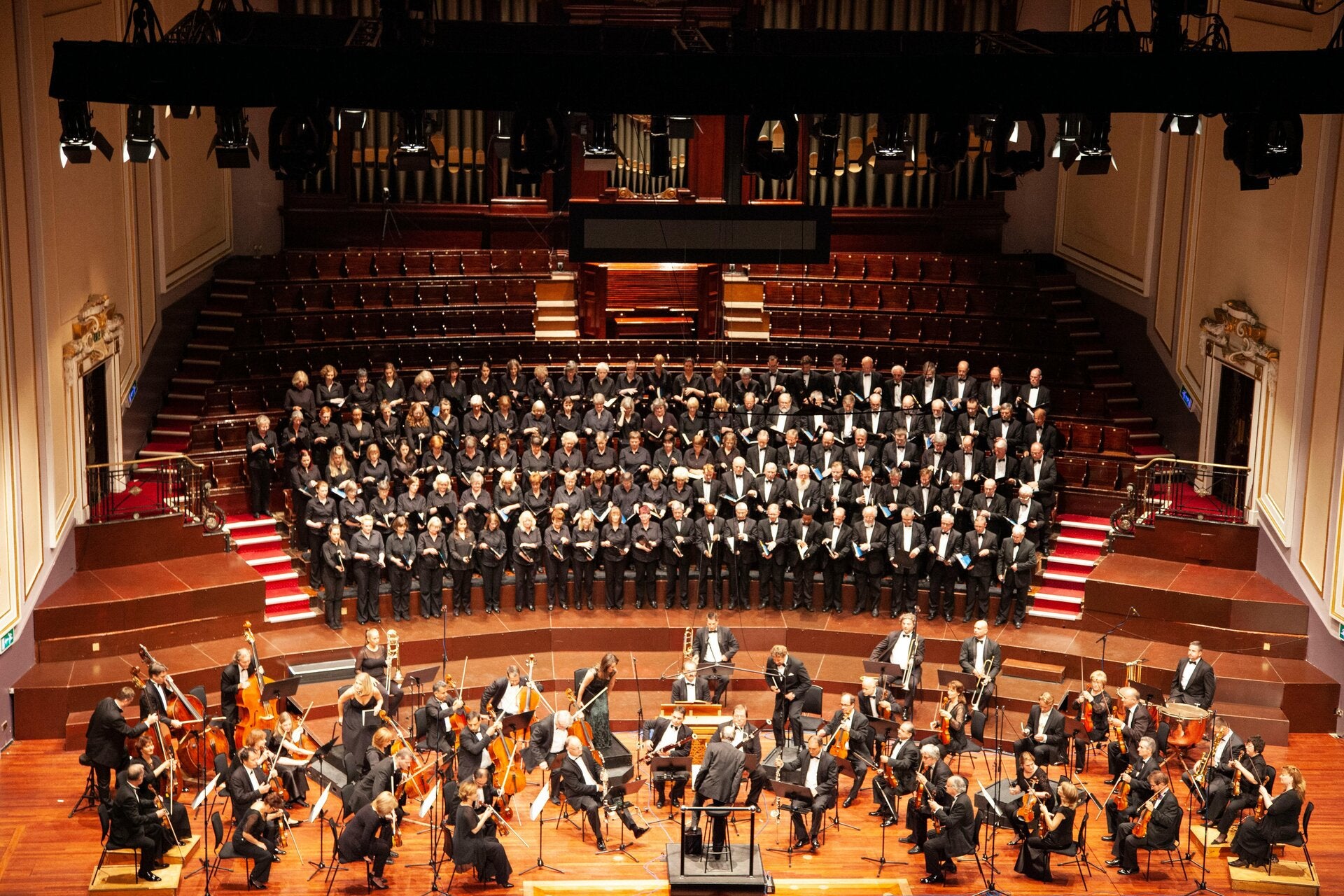
The Sound of science. A Symphony, who the Players? How, and by Whom, Tuned?
Sometimes is not an exponential, but a very small life, for humans.
While bacteria and parasites may thrive at our expenses, creating the hypothesis of a biological exponential life, human existence is often a more arduous journey of incremental gains. This progress is hindered when negative disease intermediates obstruct the correct transfer of energy between cells, tissues, and the environment. Near a 'spirit' animating our biology, this energy flux is directly reflected in the healthy functioning of our metabolic processes. It connects external energy intake to the basal metabolism of our tissues, manifesting in the defining human qualities of physical and mental generativity, two of the most relevant of all the energy-expending human specific competencies.
For example ◆ late-term pregnancy adds 1000 kcal per day — totalling around 85000 kcal across nine months— to the basal energy expenditure, while ◆ basal mental activity consumes around 20% of total body energy, with brain representing only 2% of its weight ◆ Intense mental efforts (matched to some physical endeavour) can require energy expenditures comparable to pregnancy: an orchestra conductor may burn up to 1000 kcal over only 3 hours, a violinist up to 220 kcal per hour, a standing singer or a pianist up to 200 kcal. Pregnancy is also believed boost to the whole body maternal metabolism, "renewing" all cellular machineries, through the presence of a mass of new genetic material, in itself magnetically resonant, and fit to exchange energy with the mother.
But what a difference a specificity makes: performing Rachmaninoff piano concertos during an orchestra concert is a so intensely physical, high-energy, and cognitively demanding performance, that it can burn over 2400 calories during a full, multi-concerto marathon.
Thereby let us think to all our daily common "externally"-imparted and done or not done actions, with added or not added energy expenditures. As physicians, we have always believed that an imbalance between energy intake and expenditure forms the basis of all metabolic diseases —ranging from increased waist-hip ratio, to glucose intolerance, insulin resistance, hypertension and diabetes, and later, much later, atherogenesis—. But what if basal metabolic rate were maintained, and nonetheless, more or less out the blue, hypertension, diabetes, arterial and venous thromboses began to develop unexpectedly ? Should we not consider that an external has intervened, preventing our arteriolar microvessels —the very essence of nourishing of all our tissues— from correctly "opening" and feeding ourselves, and supporting blood rheology?
Yes, we should, but we haven't yet, at least not seriously. Have we similarly thought, as physicians, to physically and biochemically-active intervening actors that may put a wall and a brake to our metabolism, independently from the basal metabolic rate, and modify the music of our energy streams flowing among cells, or, even more, prevent normally flowing energy from resonating with our bodies ? Even in vitro cells are impacted by different applied types of musics (Algieri C. CSCC 2018), or the human voice, which significantly condition their syntheses and viability.
Why shoudl humans themselves and their bodies not be considered agile resonators, influenced throughout their lives, and in their mental and physical productions by the rhythms of nature and music?
For many researchers, the action of listening to music is to be at the very heart of what it means to be a human being —A real and proper human hallmark, neurologist F. Wilson noted— "All have a biological guarantee of musicianship" & "music is a birthright of all human beings" — and its biological benefits are documented: improved blood biochemistry, and accelerated recovery times after traumas or damages. If playing musicians have been defined "small muscle athletes", their brains have been found selectively activated on music-centered attention, thereby training focused attention. Consequently, their physiological responses have been observed to include reduced blood pressure, heart rate and several other reactions.
In-vitro studies in sonocytology and sonomitochondriology have shown that cells thrive, when exposed to pressure waves, even in the audible range, displaying heightened proliferation, viability, hormone-binding, organelles' trophism, interconnection, and cell shaping, motility, and modeling, effected by cytoskeleton and microtubules. Endothelial progenitor cells, even, have been proved to proliferate in response to the complex sound of melodic music, with rhythmic patterns, or to human voice and to EM emissions, measured with Multi Spectral Imaging System.
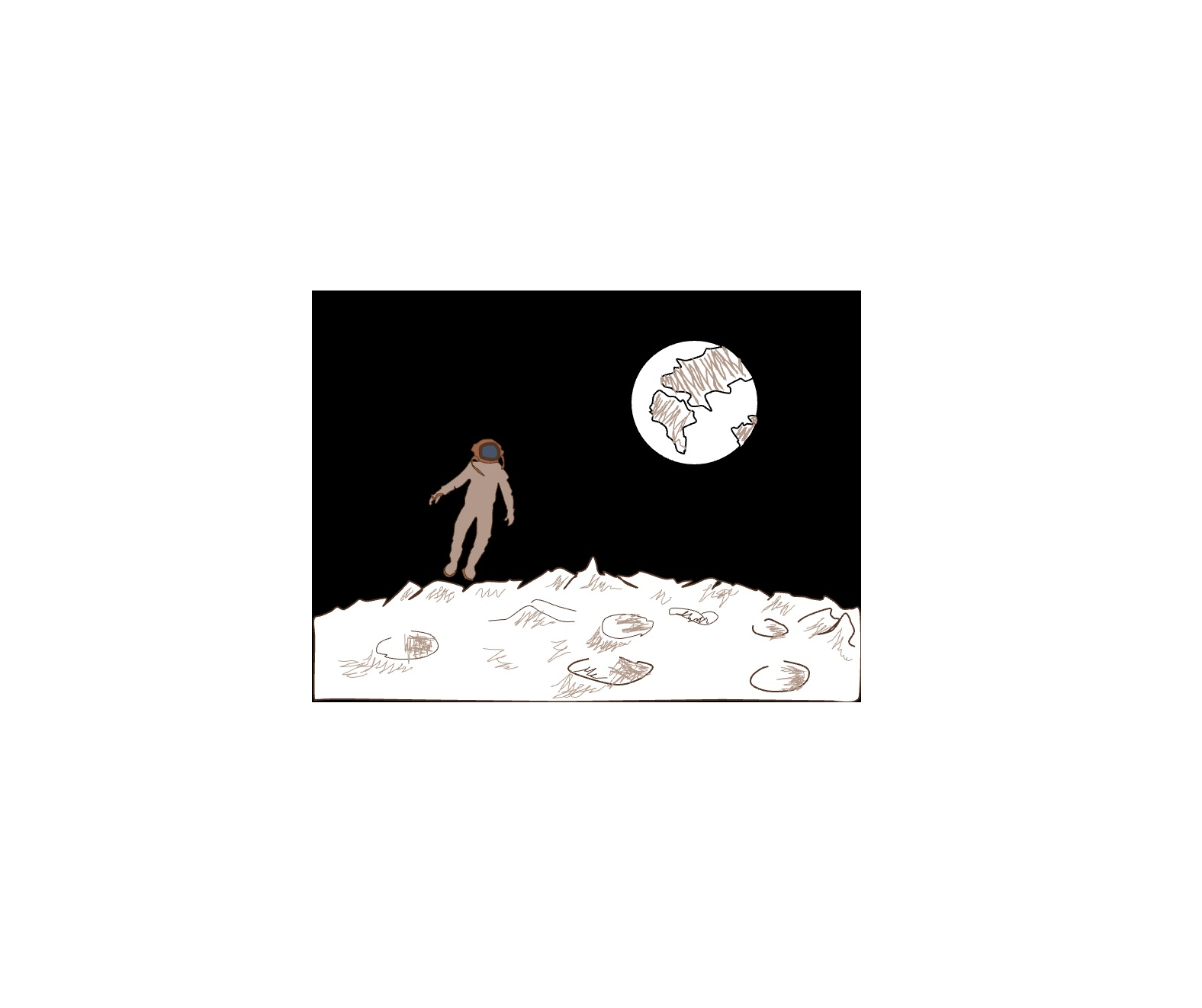
The twelfth moon: Ruling the Concertator
Leaving aside our 'planet of soreness' for a moment, space exploration has provided profound insights into the consequences of modified gravity and atmosphere on human biology (Winer D.A., Astroimmunology, Nat Rev Immunol 2025). Evidence suggests that isolation from Earth’s atmospheric pressure results in appreciably altered host–microbiome interactions, leading to increased susceptibility to opportunistic pathogens and viral reactivation.
Not considering cosmic rays' and solar particles' radiations, even when Earth's atmospheric pressure due to gravitational force (14.7 psi) is simulated by pressurization within a spacecraft and when specialised spacesuits (pressurized approximately to 4.3 psi with 100% oxygen) are used, exposure to microgravity (10-3 to 10-6 to g) ) profoundly impacts the immune system. Specifically, it impairs immune cell proliferation, activation, and functional properties. Natural killer (NK) cell phagocytosis and oxidative burst, dendritic cell priming, and T-cell development and function are all compromised. Furthermore, microgravity disrupts thymopoiesis, immune cell migration, and stromal support, often resulting in T-reg up-regulation and a downsizing of T-helper populations. Researchers hypothesize that cytoskeletal alterations and mechanotransduction disruptions—alongside displaced 3D nuclear positions and modified chromosomal interactions—impair mitochondrial respiration. This shifts metabolism toward increased glycolysis at the expense of the TCA cycle, fundamentally altering cell energetics: all the listed modifications importantly concertate all impaired function of immune cells, and profoundly affect cell metabolism.
Similarly, moments of parabolic flights occurring during spaceflights (exactly zeroing gravitation force), and exposure to partial gravity (0.16 g in Moon and 0.38 g on Mars) present critical antigravity physiologic challenges. Partial gravity, in particular, reduces heart rate, oxygen consumption, respiratory rate, metabolic rate, locomotion efficiency, mechanical loading, while increasing stroke volume and decreasing locomotion efficiency. Crucially, T cell function, has been shown to decline linearly.
Overall, spaceflight disrupts immune equilibrium, enhances microbial virulence, determine a host-microrganism imbalance, and increases antibiotic-resistance, fostering a massive chronic, low-grade inflammatory milieu—akin to 'inflammaging'—associated with cardiovascular disease, neurodegeneration, and metabolic disorders.
With only imperfectly reproduced Earth gravity, overall observations on spaceflights include: ◆ low-grade inflammation, ◆ increased susceptibility to infection, and viral reactivation, mostly herpesvirus ◆ frequent upper respiratory tract infections. Also ◆ skin rashes and "flaring" allergy symptoms have been reported, linked to stressful conditions.
To mitigate these effects, non-pharamceutical and pharmaceutical supports are recommended, including immune-enhancing compounds as quercetin (or the less powerful naringenin), functional foods, specific vaccinations (beware of the type), nutraceuticals, and combined resistive & aerobic exercise, while preemptive antivirals are generally not advised. Opposing spaceflights, HBOT acts as 'relative hypergravity,' exerting regenerative pressure that restores mitochondrial respiration and immune competence, recovering B and T cell functions to rebalance innate and adaptive immunity.
Aligning the Body to Resonate with the Universe. A Calmly Flowing Order.
Before string theory, Joel Sternheimer stated that each atomic particle possesses frequencies inversely proportional to its mass—effectively, its own 'music.' When dysfunctional or diseased, particles no longer emit these harmonic sounds or resonate with them.
At the infinitesimal scale of perceptible, nature's instruments —protons, neutrons and electrons— tune with one another, harmonising polyphonic energy voices across: ♠︎ electroweak ♠︎ magnetic ♠︎ and gravitational forces. Any failure in this tuning processes leads to a 'detuned state' of our cells and organs, relative to the environmental electromagnetically-waving 'music of health' serving asa proxy of disease. Crucially, over years, an exponentially increasing burden of disease accrues. This burden consists of material discontinuities above seen and explained, made of matter discontinuities —foreign "materials" as parasites' ova and EV— with different acoustic and electromagnetic impedances from human cells, and differently-oriented (towards their own and stealing from human's) mitochondrial metabolism. These errors and hindrances, interpose themselves between human cells and their energy sources, even releasing toxic substances (such as PI3K inhibitors, histamine, tryptase) able to interfere with both 'building' and detoxification, as well as with drainage routes—, even lymphatics.
By having the specific advantage of going easily undetected and uncleared by both innate and adaptive human immune system, as themselves capable of producing steroid substances, such accruing microbial intermediates of disease remain silently noxious for decades. They are revealed only when their burden becomes overwhelmingly high for their host, or until an external trigger (found in nature, foods, or drugs) "reveal" them, by easing histamine release from granules of mast cells, having been, in the meantime, accumulating in tissues, around vessels, and below the endothelial linings.
These cysticerci are not merely energy wasters; they are active 'poisoners', that inhibit the PI3K enzyme (phosphoinositol-3-kinase), the fundamental building block of human growth. Furthermore, their immunosuppressive activity, powerfully 'wires' and nourishes viral and bacterial coinfections.
Ultimately they represent a source of individual biological chaos , a personal burden, determined by exposure to contaminated water, food chain, and contacts. Their effects span a wide pathophysiological range: from coagulation and haemorrhage, to vasoconstriction, thrombosis, senses' harms, neurodegeneration, cardiovascular, more proper vascular, as well as multiorgan damage (brain, kidney, and intestines) according to their circulating titers.
Proportionally to this systemic seeding, internal energy is distorted and wasted, as if a shield prevented the mechanisms of natural order. They ultimately represent the multiple negative "incidents" intervening between Nature, and health. Every year without "clearance" contributes to this chaos, as in Nature, nothing remains ordered by accident. While Earth's gravity supports life, it is often insufficient to overcome this accrual.
Even, hypomagnetic fields — seldom present on Earth in areas of reduced gravitational forces— act in opposition to the thriving effect of EMFs, dampening human physiology, and selectively unbalancing the host/pathogen equilibrium to the benefit of microbes.
In the vegetal realm, this results in inhibited vegetative and reproductive growth and delayed flowering of plants, seed germination rates and times, breath conductivity, chlorophyll content, and photoreceptor involvement, while in animals hypomagnetic fields reduce hippocampal neurogenesis and cognition. Notably, the effects of near zero magnetic field are rapid, suggesting they influence ion channels and cellular transport through immediate biological coordination rather than slow genetic expression alone.
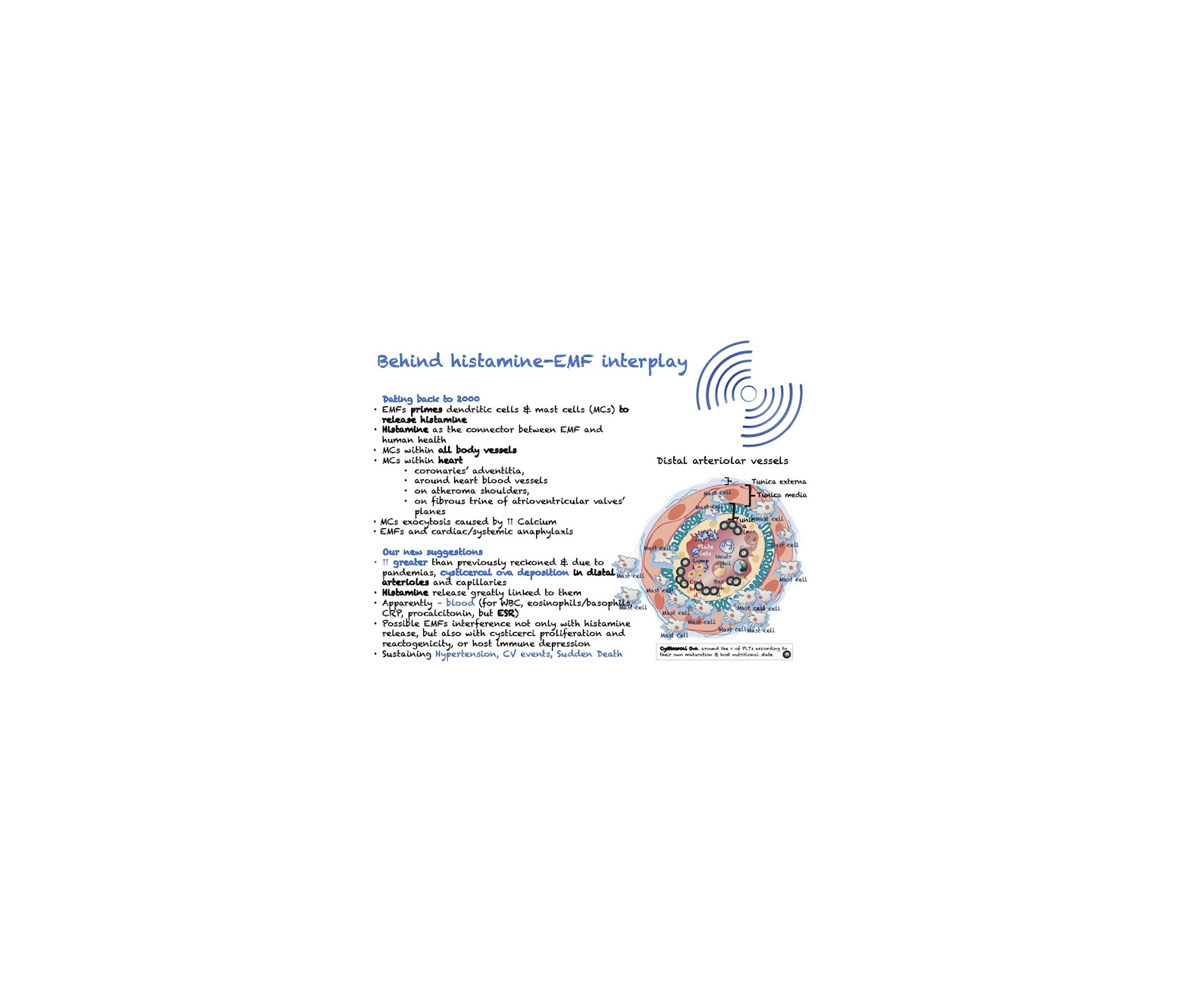
Decoding the Interplay between Histamine and EMF ?
Regarding human physiology, we have observed how the intermediates of the magneto-electrochemical theory of dysfunctional metabolism interpose themselves, supporting our view that parasite-released histamine drives the pathogenesis of vasoconstriction and thrombosis. This process translates into microvascular ischemia, which systemically reverberates as an early hypertensive state.
While hypertension is easily assessable, microvascular ischemia may only be detected once it surpasses a certain detection threshold, manifesting in significant and sizeable amounts, plainly exposed in few organs susceptible of releasing cytolysis markers, or by electrocardiogram in the heart and by diffusion-weighted-imaging (dwi)-MRI in brain, explicitly assessing Brownian motions of water molecules. Conversely, when occurring in parcellar and disorganised forms, across a certain organ vascular bed, microvascular ischemia may appear detectable only by the engendered failure in endocrine or exocrine organs (i.e. pancreatic or liver damages) or by subtle functional deficit (i.e. conduction disturbances in some cardiac microvascular ischemic episodes, or wake-sleep inversion in reticular substance compromise in the brain).
Rather, better and earlier magneto-encephalography or magneto-cardiography may accomplish these tasks. These techniques have the potential of early sensing and identifying dysfunctional distal perfusions in critical vascular beds of the two most important human organs. Indeed, arterioles can become significantly overcrwoded environments, where all host blood cells and foreign pathogens coexist. We suggest that stratified pathogens along the endothelial lining, specifically cysticercal ova and EV, tend to accumulate toward the distal capillary filter. This not only triggers innate and adaptive immune cell and responses, but, more crucially, mast cell activation and histamine release,—the prototypical result of the encounter between cysticerci and mast cells—.
This challenge, in turn, triggers vasoconstriction and thrombosis. Upon activation, mast cells either assume a dendritic form by extruding pseudopodia —involving granules ready for expulsion— or develop fingertip-like structures called pseudofilia, during degranulation. The resulting environment, both intravascular and extravascular, becomes saturated with histamine. This histamine-rich state excites the auto-firing activity of histaminergic neurons and the entire adrenergic axis (adrenaline, noradrenaline, metanephrines, vanillylmandellic acids).
This has significant implications for the distribution of adrenergic substances across α- and β-adrenoceptors, which may be down- or up-sensitizied. Consequently, selective α- and β-adrenoceptor should be minimized, and must be meticulously monitored or even withheld to avoid potentially life-threatening consequences.
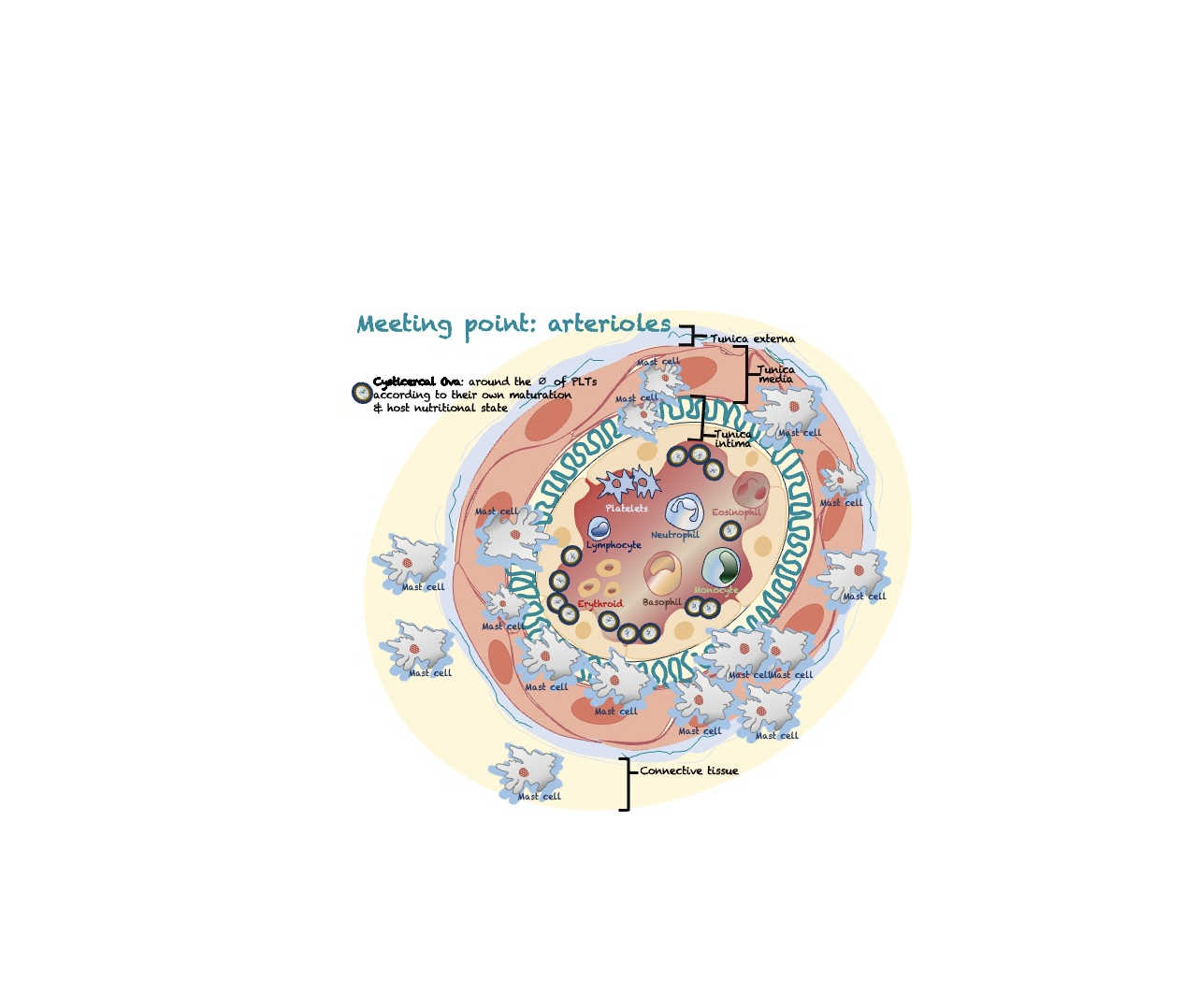
Sensing & Preventing Blood cells' Meetings across the Lines
Our proposed view of pathogenesis identiifies vasoconstriction and thrombosis as the primary drivers of both microvascular and macrovascular ischemia, which systemically reverberate first as a hypertensive state and later as overt thromboses.
If advanced diagnostic tools were available to identify parcellar and disorganised ischemic forms, within specific vascular beds, such damage could be proactively counteracted through pharmacological interventions or early rescue and salvage therapies, such as HBOT. Other magnetotransferring techniques are also being exploited, particularly in cerebral setting, where magneto-encephalography (MEG) is already utilized for diagnostic purposes. Conversely while magneto-cardiography (MCG) is a well-established diagnostic tool, therapeutic magnetotransfer methologies for cardiac care are less frequently implemented despite promising user-friendly modalities such as ♦︎.Magnetorheology (MR) for Blood Flow Improvement (Maurya CS. Computers in Biology and Medicine 2025) ♦︎ Pulsed Electromagnetic Field (PEMF) Therapy (Stuart MG. J Clin Hypertens (Greenwich) 2020). Magnetic fields techniques —with HBOT one of the most prominent— possess the potential to provide indirect early sensing of "magnetic blocks". By uncovering the transient histaminergic side effects of dying cysticerci (observed during initial, but not in 'chronic' HBOT applications (when not combined with Himalayan salt lamp, and where necessary, antihistamines) these methods can effectively treat dysfunctional distal perfusion in the vascular bed of the heart, brain, and other vital organs.
Stratified pathogens —which we here identify as cysticercal ova— referentially affect the arterioles, the well-known resistive filters and vasomotor checkpoints of circulatory beds. In these vessels, they trigger more or less concentrated mast cells activation and histamine release, acting as critical factors that can either facilitate or impede regional blood flow (coronary, cerebral, or other organs), depending on their relative presence. The perfusion resistance index varies accordingly, reflecting backwards as reduced distal coronary flow, decreased conductance artery diameter, and increased pressure drop ratio across stenotic segments. This state promotes Wirchow's triad —specifically stasis via slowed flow—. Consequently, at the arteriolar resistance unit, the alternative activation of platelets, neutrophils, eosinophils, basophils, platelets, erythroid cells, and monocytes, —together with encysted cysticercal ova—contributes to a shared network of vasoactive and thrombotic mediators. This mesh elicits vascular smooth cells contraction, endothelial damage, and platelet degranulation, driven by heavy mast cell infiltration throughout the subendothelium, and the tunica intima, media, and externa. Furthermore, impaired immune cell priming predominantly occurs at this level.
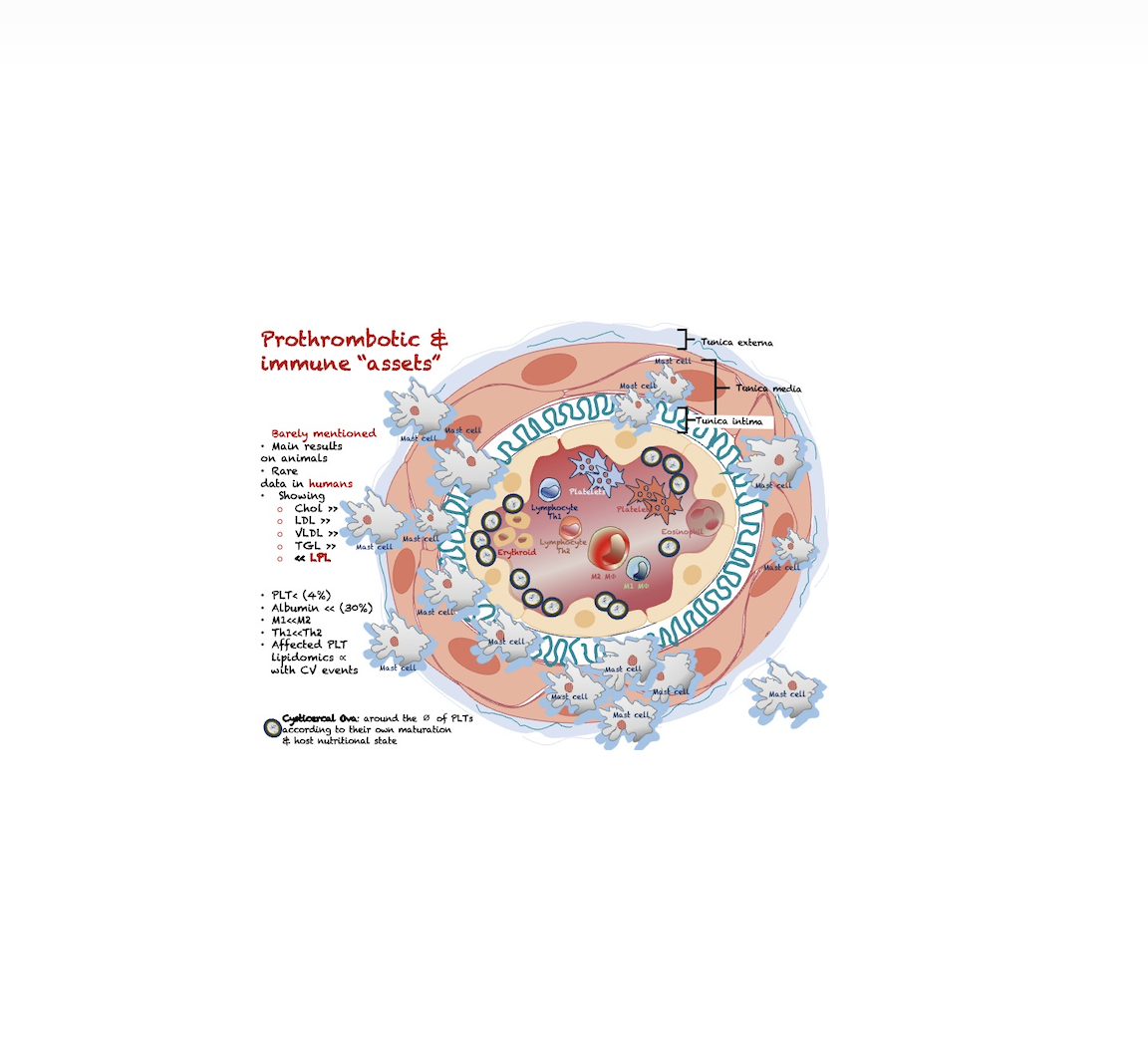
The unique immunological & prothrombotic characteristics
Like other parasites, such as schistosomes, cysticercal ova are presumed to reside in the bloodstream, and interact with blood cells over many years (Da'dara AA, Thromb Res 2014). However, unlike other parasitic infections that trigger hematological chaos upon entering the bloodstream (Pang B, Parasitol International 2026), cysticercosis —in its controlled chronic forms— appears to have a minimal impact on standard blood panels and assays
The only significant differences documented between healthy and cysticercosis-infected cattles were a 30% reduction in albumin levels, and a 4% decrease in platelet counts. In humans with disseminated muscular forms, the most striking alteration involves elevated total and LDL cholesterol, as well as triglycerides and VLDL. These modifications suggest a direct interference between seeded cysticerci and lipidation/de-lipidation processes occurring at the endothelial border, specifically those mediated by lipoprotein lipase (LPL). Indeed, when cysticercal ova "marginate" in either the arterioles or the intramusculars capillary networks of infected humans, a combined mechanical and biochemical obstruction —the latter involving tryptase— appears to manifest at the blood-endothelial interface, primarily affecting LPL, and other lipid metabolic enzymes. Additionally, the significant parasite-driven consumption of host thiamine and cobalamin (vitamins essential for reverse cholesterol transport) contributes to the impaired functioning of the distal vascular unit.
This dysfunction encompasses vasoconstriction, altered lipid metabolism, important cofactor depletion, and prothrombotic states. These are driven not only by Wirchow's triad (endothelial damage, stasis, and hypercoagulability), but also by hypoalbuminemia, platelet dysfunction, and local apoptosis. Specifically, local tryptase levels have been shown to alter platelet lipidomics, by modifying chain length and double bonds in lysophosphatidylethanolamine (LPE) and triglycerides. The latter are significantly and directly correlated with the mean ratio of major adverse cardiovascular events (MACE) —such as cardiac death, myocardial infarction, and stroke— to no endpoints.
The precise role of various cellular "actors", at the distal cardiovascular unit, in the presence of cysticercal ova, remains largely unknown. While they are known to consume or modulate platelets, inhibit M1 macrophages, and promote M2 macrophage, and Th2 lymphocyte activity over Th1, these findings remain fragmented and lack a cohesive framework.
(on magnetocardiography)
"Premature optimisation is the route of all evil."
Donald E. Knuth
(at 2018 European Workshop on
Magnetocardiography, describing his 4-decade-long journey in Magnetocardiography to Odysseus’ arduous journey home to Ithaca),
"Today I see, for the first time, the true coast of Ithaca."
Riccardo Fenici
(2018 PHD Thesis)
"Magnetocardiography (MCG) reliably detects silent
ischemic heart disease."
John W Mooney
"I dedicate these topics to all those who are putting their hearts on the line for the cause of justice, and who are in need of healing. Above all, I dedicate them to the memory of my beloved mother, Ada Martini, who was the soul and light of my life and our family; without her we are nothing.
Her illness was largely precipitated by a total negligence in Sars-CoV-2 vaccine administration by NHS (2022-2023), which was inflicted for more than nine months, by denying her vaccination in her own city, and in others, for over a year. Two years thereafter her life was ended abruptly, by at least a decade, for intentional and reckless failures, that persisted for over 42 days across hospitals. Cardiac surgeries, intensive cardiac care units, step-down units, emergency departments, internal medicine, and cardiology were all complicit in this; she was ultimately and intentionally denied the life-saving anesthesia and intensive care, as staff contemptuously and intentionally failed to claim and obtain, as was their duty, the specialised help required, instead administering incorrect drugs, wrong procedures, and lethal dosages."
E.C.