

A sphere to See Through and Within
Our nontraditional approach to neurology began as an unforeseen and uninvited journey in 2015.
Early signs of multiple sclerosis were already emerging without warning or clear etiology, causing significant concern within the neurological community. Following this, we managed a wide range of neurological conditions and presentations, many of which were associated with new-onset severe hypertension, hypertensive crises, and vasoconstrictive episodes.
Our clinical experience expanded through the treatment of subarachnoid hemorrhages, episodic amnesia, and spatial-temporal disorientation; we also addressed progressive walking impairments, head traumas, and spinal root pathologies. Our work encompassed subdural spinal and cerebral hemorrhages, therapeutic embolization of the middle meningeal artery, and both acute minor and major epileptic episodes. We further managed peripheral nerve damage, sleep-wake cycle inversions, paraparesis, and paraplegia, alongside central suppressions of vigilance and alertness. Notable cases included brainstem infections and failures manifesting as periodic breathing or vasomotor and heart rate dysregulation, as well as micrographia and sensory detachment.
Due to our extensive cardiovascular background, our neurological approach—though distant from our initial studies of Kandel and Schwartz’s Physiology over thirty years ago—relied on a foundation of solid, fundamental knowledge and a rigorous, empirical reasoning method. We sought to discern the underlying mechanisms and primary causes of disease with absolute clarity. Our commitment was to identify original triggers and their effects, addressing primary causes and treatments radically to uphold the fundamental medical commandment: 'Primum non nocere' (First, do no harm). This was achieved by treating the etiology rather than the symptoms and avoiding non-pathogenetic interventions, such as potentially life-threatening steroid treatments.
Above all, do no harm, then.

Our Mind is a marvelous, adamantine 'Quantum'.
By connecting body and thought, perception and action, our minds extend beyond immediate physical boundaries. Our movements, emotions, and sensations expand outside our bodies, transforming us from confined 'electromagnetic machines' into an essence integrated with the universe. This allows for bidirectional exchanges with other human beings, animals, and natural phenomena, making each living being an interconnected actor. Which exactly be the physiology of the cerebral waves and currents that are able to travel throughout the body and outside of it, is only superficially and not really in-depth known.
While Healing, do follow Physiology
Interconnectedness and informations: constitute the intangible fabric of our minds, woven through the intricate architecture of networked synapses. However, the mind is also inextricably linked to the systemic physiology of the body and its circulation. In his "Remarks on the Mind-Body Question," the physicist and philosopher Eugene Wigner stated: "We do not know of any phenomenon in which one subject is influenced by another without exerting an influence thereupon"—even if the magnitude of those influences differs.
A strict hierarchy governs the initiation of physiological phenomena, descending from the central "wave-particle-firing" neuronal cell to its finer constituents: neurotransmitter-laden vesicles, the axonal shaft, the synaptic plaque, and, most crucially, its metabolic powerhouse—the mitochondria. But if mitochondria are depleted of essential resources (nutrients, vitamins, and cofactors) or if their electromagnetic and biochemical pathways are compromised by parasitic or cytotoxic pathogens, the "decisional" command of the genetic-nuclear apparatus fails, destabilising the entire network.
Thereby whether it could be true that the two different levels —central and peripheral— exert actions of varying scales, we must remember that just as the ocean wets the coast, (rather than the coast drying the ocean), the gradual melting of the Greenland glacier is what intensifies global sea-level rise, possible floods, and coastal erosion in low-lying nations as the Maldives. Similarly, while acknowledging the hierarchical cascade of neuron → nucleus → DNA → cytoplasm → RNA → protein enzymes → lipids & fatty acids → ribose → water-restricted enzymes → organelles (mitochondria) → axon → synapses → cytoskeleton → microtubules, we must highlight the role of the individual mitochondrion, as the energy center of the cell.
Mitochondria are not isolated; contained in huge amounts —up to 1 million per cell— mitochondria form networks among the yet gigantic number of neurons from the brain—86 billions—, for a staggering total number of —86 millions of billions —quadrillions —mitochondria in the brain—. Therefore, given that the brain ranks just behind the heart and muscle in mitochondria density, the whole brain mitochondrial mass, itself contains massive amounts of electrons. Since any single electron transport chain (ETC) contains 10–15 electrons at any given instant—depending on the rate of cellular respiration—there are an estimated 86 quintillion (86 billion billion) electrons within the brain's mitochondrial networks.
— Around 215 million times more electrons in our brain than counted stars in the sky —
Ultimately, beyond the measurable and actionable—via magnetic stimulation—electroencephalographic and magnetoencephalographic waves, the very essence of the brain’s electromagnetic quantum function lies in a titanic mass of magneto-sensitive electrons. These electrons underpin perception, consciousness, and free will, as well as learning, working memory, and long-term memory. They facilitate the five senses, all forms of expression—whether verbal, gestural, or non-verbal—and the deep perception and transmission of feelings. They are a titanic mass of magneto-sensitive electrons.
I Know that I Know Nothing
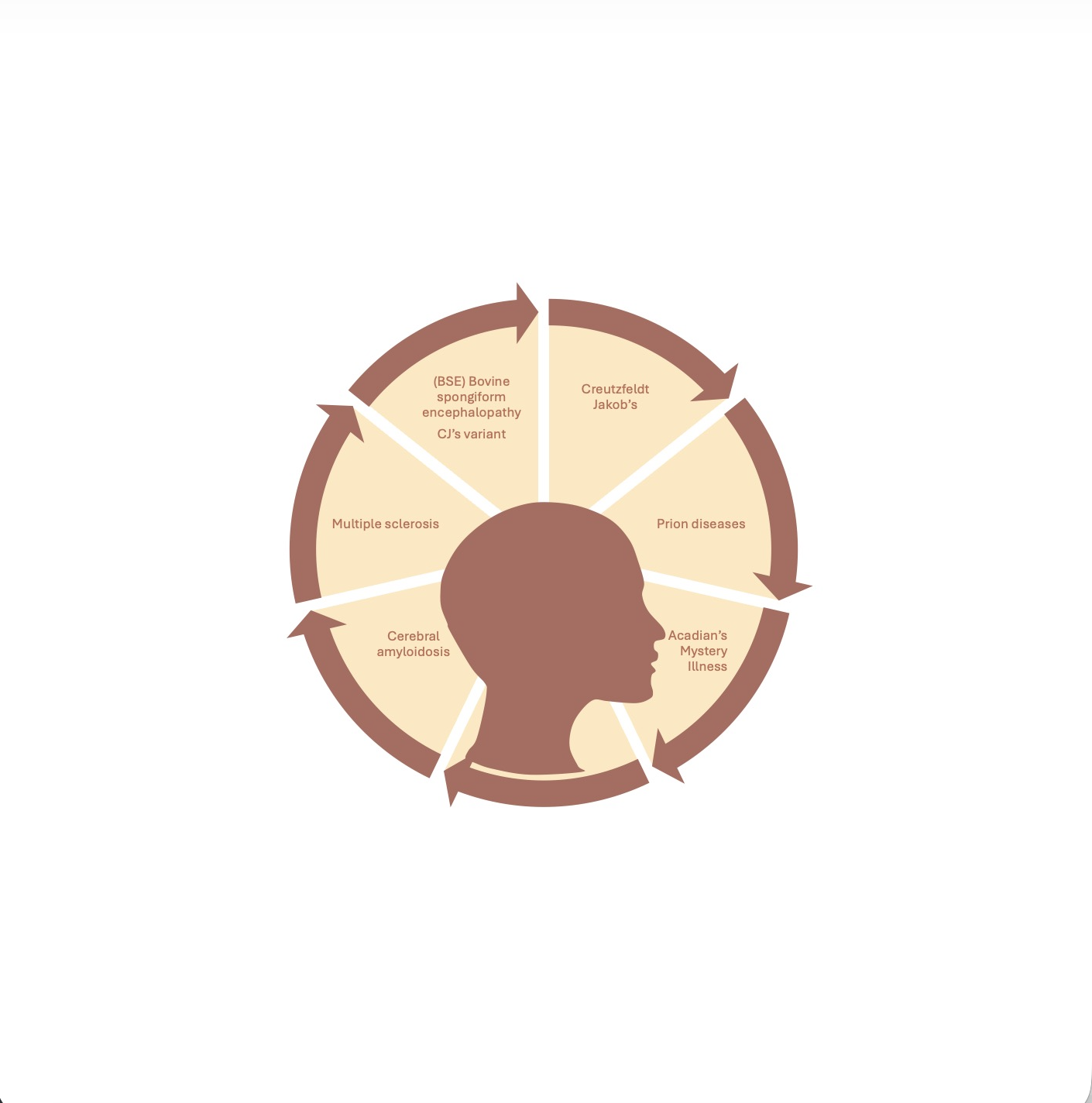
Multiple sclerosis (MS), cysticercosis (CYS), termed neurocysticercosis if found mainly in the neuraxis (NCC) and Sars-CoV-2, appear to share strikingly similar anatomical lesions within the brain. These lesions are minute, and widespread, in that satisfying both the MS Mc Donald diagnostic criteria for Dissemination in Space (DIS) and Dissemination in Time (DIT). Contextually, their dissemination is primarily localized within the inner peri-thalamic regions, while remaining notably absent from the outer cortex. Despite these resemblances, these parallels have not been explicitly highlighted until now.
Conversely, Bovine Spongiform Encephalopathy (BSE), Prion diseases, and Creutzfeld Jacob's disease (CJD), present a different pathological profile. In these cases, lesions are mostly distributed along the circumferential surface of the hemispheres, —looking similar to one another, but distinct from the MS/CYS pattern—. Paralleling the MS/CYS type more closely, is cerebral amyloidosis, which appears to emerge from the compromise of brain vessels, leading to angiopathy and more frequent associated hemorrhages.
The Acadian's Mystery illness has also been described as a conglomerate of various MRI presentations; however, detailed data remains difficult to retrieve from published literature. To date, all the aforementioned diseases have undisclosed causes and lack truly efficacious or safe therapies.
We hypothesize that while a functioning blood-brain barrier (BBB) nominally excludes toxic molecules and foreign pathogens, the "active counterpart to the BBB" —the blood-to-cerebrospinal fluid (CSF) barrier (BCSFB)—possesses unique filtering properties. BCSFB is constituted by the choroif plexus villi, with impressive filtering abilities. Choroidal villi, constituted by arachnoid projections protruding into the four cerebral ventricles, contain a central stroma of connective tissue, full of pericytes and blood vessels. These are covered by a highly fenestrated, leaky, endothelium with 60-80 nm-wide openings, unlike from cerebral blood vessel endothelium, connected by tight junctions. The resulting BCSFB, is highly restrictive, regulating the passage of select molecules, ions, and cells (via an array of transport, physical and metabolic machineries) between the blood and the central nervous system.
Theoretically choroidal villi should be "impermeable" to any substance exceeding the physical threshold of 80 nm, or a molecular weight of 800 kDa, constituting the BCSFB wanna-be threshold of filtering. This would leave it clearly permeable to immunoglobulin light chains (25 kDa), and with some sense, if the antibody-to antigen recognition and clearance mechanism worked with an in situ reconstitution of the Fc component, itself able to cross villi into the liquor —due to its fit molecular weight (50-55 kDa)—.
Ion channels, pumps and transporters expressed at the basolateral and apical membranes of the plexus's endothelial cells modulate the net flux of sodium, chloride, and bicarbonate ions, from the blood to the CSF. The resulting osmotic gradient drives plasma water across the choroidal plexus membranes into the ventricles, where cilia sense the increased pressure. While this describes the healthy physiology, the pathology of the BCSFB remains significantly understudied.
Our Brain's fences are anything but perfect. Who is at the horse's reins?
Since Sars-CoV-2 is estimated to range within from 60 to 140 nm in diameter, and the extracellular vesicles (EVs, rich in genetic "instructional" or "protein" material), derived by "young" Cysticercus ova, average between 80 and 100 nm in mean (often smaller), we would believe that choroidal villi's BCSFB barrier is almost perfectly impermeable, should it be accepted that noxious infectious agents were not capable of toxic actions upon endothelial linings, and that cysticerci-derived EVs, also full, as told, of genetic material, were not lower than 80 nm.This is even before considering the supplementary protection of the blood-brain barrier (BBB).
Indeed, increased BBB permeability is considered a primary insult in multiple sclerosis (Ortiz GG, Arch Med Res 2014), as well as in Sars-CoV-2, where the virus directly infects choroid villi endothelial cells, astrocytes, and pericytes via ACE2 and DPP4 receptors. Similarly, in cysticercosis, BBB permeability increasea around the cysts. However, environmental factors also play a critical role.
Magnetic fields, have been shown to increase the trophism and fitness of both the BBB or BCSFB in experimental models (Xu Q, Brain Research Bulletin 2025). Conversely, in humans, hypomagnetic conditions (low magnetic field exposure), have been shown to negatively impact barrier function. Moreover, therapeutic application of magnetic fields, such as NonInvasive Brain Stimulation (NIBS) via Transcranial Magnetic Stimulation (TMS) in Alzheimer's patients have demonstrated positive effects on BBB drainage and amyloid plaque resolution. These improvements are primarily driven by the stabilization of barrier proteins (claudin, occludin) and the cytoskeleton —essential for endocytotic scaffolding alongside collagen— which are also crucial for choroid plexus function. Furthermore, these fields enhance the resorption of toxic molecules (Petrovskaya A, Comm Biol 2023). In contrast, the hypomagnetic fields achieved during deep spaceflights and the same microgravity experienced during deep spaceflight have been proven to harm the BBB and increase its permeability (Mahtre SD, Neurosci & Biobehav Rev 2022). Hyperbaric Oxygen Therapy (HBOT), which elicits magnetotransfer and magnetoreceptivity, has likewise been found to to enhance and feed barrier function of BBB, and to improve its integrity and any of its functions. Brain glucose, nutrients and immune components will accordingly increase, toxic molecules decrease , and pathogen filtering would virtually cease.
Finally, it is noteworthy that since the early 1990s, research has been conducted on synthetic substances known as peptide nucleic acids (PNAs). These are synthesised by replacing the deoxyribose phosphate backbone, with a pseudo-peptide polymer to which the nucleobases are linked. The first aim of their synthesis was to exploit them from possible (genetic) antisense and antigen properties. Thus PNAs are, definitely, synthetic mimics of DNA, and, as such, have been shown able to hybridise with complementary DNAs or RNAs with remarkably high affinity and specificity, specifically due to their uncharged and flexible polyamide backbone; hence they have been manyfold employed in molecular biology techniques. Some components of them have been found in cyanobacteria, and even hypothesised of corresponding to early prebiotic, proto-genetic molecules on Earth. But they do not exist in nature, in any living organism.

Choroidal plexuses
The primary filtering of blood-borne, and lymph-borne pathogens, is entrusted to the four choroid plexuses, each for each one of the four cerebral ventricles. These plexuses are permeable to the brain-crossing of the main well-known exanthematic infectious diseases, which are noted for their possible, an not negligible, mainly central neurological consequences.
Due to their structure—composed of richly vascularized pia mater—they are uniquely capable of concentrating particles circulating in the bloodstream.
We hypothesize that the pathogens linked to both MS and cysticercosis—based on MRI studies—predominantly diffuse into the perithalamic zone. They appear to permeate the lining of the lateral ventricles after being filtered and concentrated directly from the blood of the internal carotid arteries, which supply the middle cerebral artery and the anterior choroidal arteries, feeding the choroidal plexuses. Conversely, the (different?) pathogens related to the radiologically distinct BSE, Creutzfeldt-Jakob Disease (CJD), and Prion Diseases appear more closely connected to the outbound cerebrospinal fluid (CSF) enshrouding external sulci, not shown in figure. This CSF is filtered and concentrated by the plexus of the fourth ventricle —vascularized by the basilar and the vertebral arteries— and directed through various apertures, towards the subarachnoid space, separating the brain from the skull. This anatomical distinction may be particularly relevant in cattle, which possess a single, large, brachiocefalic trunk flowing directly into the brain circulation, prioritizing the posterior over the anterior system. This may explain why prion disease lesions appear more peripheral, confined to external cortical tissues bather in CSF, rather than the deep perithalamic zones associated with Sars-CoV-2 and cysticercosis.
These considerations also suggest that agents, like Sars-Cov-2 and cysticercosis —which may not reach high concentrations in the blood or show direct cytotoxicity in other organ systems— require the concentration mechanism of the plexuses (specifically the first three) to become cytotoxic, and replicate within deep cerebral tissue.
In contrast, more virulent agents or those present at higher blood concentrations may exert toxicity more readily as they circulate through the sagittal, transverse, and sigmoid sinuses, and the arterial and venous networks of the brain surface, directly compromising arterial and venous vessel linings."
Image used under license from Kenhub GmbH. Illustrator
Oligo-clonal Bands
It has been observed that tracing in the presymptomatic phase, is the essential rule in neurology (Holm-Mercer L, J Alzheimer's Disease 2025). Unfortunately, the consequences of regularly disregarding this rule in neurological diseases are severe.
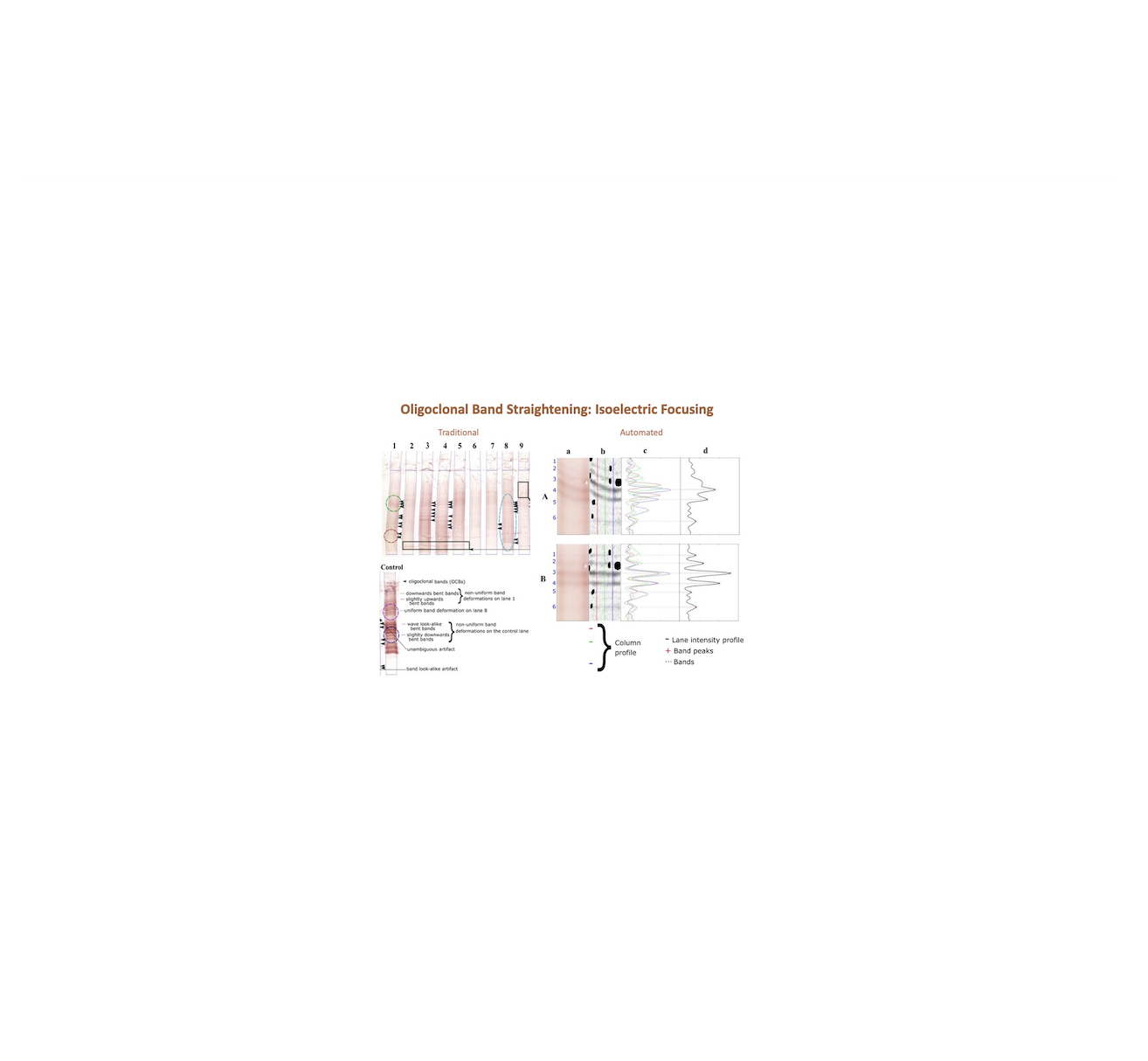
The fact that the pathogen-induced diseases listed above do not always show concordance in the presence of cerebrospinal fluid (CSF) oligoclonal bands (OCB) should not be discouraging; rather, it should encourage the improvement of detection methods, as advised by the joint hCAMI taskforce (see next box).
Indeed numerous reports indicate positive OCB assay not only in ♦︎ multiple sclerosis (MS) —where they have exceptionally high positive and negative predictive values— and in ♦︎ neuromyelitis optica (NMO) —where their presence may predict a later transition to overt MS— but also in ♦︎ Creutzfeld Jacob Disease (CJD) (Signorino M, Green A, Solorza-Ortiz E) ♦︎ or Spongiform Encephalopathies (SE) (Green A, Eur J Neurol 2007) ♦︎ Acute Disseminated Encephalomyelitis (ADEM) ♦︎ Cerebral Amyloid Angiopathy (CAA), both stable and inflammatory/ri-CAA forms, and finally in ♦︎ Neurocysticercosis (NCC). Recently, developed automated isoelectric focusing shows promising diagnostic yield (Haddad F, Sensors 2022).
A comparison of reported OCB rate and IgG INDEX across these diseases conclusively indicates indicates the following values:
- MS: OCB: 80%; IgG INDEX: 1.1 IgG/INDEX
- NMO: OCB: 20%; IgG INDEX: 0.6 IgG/INDEX
- CJD: OCB 4.4% - 7%(Jacobi C); IgG INDEX: -
- SE: OCB (1 report on Gerstmann–Sträussler–Scheinker); IgG INDEX: -
- ADEM: OCB: up to 58%; IgG INDEX: -
- CAA: OCB: 1 mention (Karageorgiou); IgG INDEX: -
- ri-CAA: OCB: 15%-20%; IgG INDEX: -
- NCC: OCB: up to 47 %; IgG INDEX: >0.8 IgG/albumin ratio in up to 74%.
Additionally, deranged ⍺-synuclein may be related to an overwhelmed, and impaired innate immune response to foreign antigens (Heyden DL).
While OCBs show value, they currently lack acceptable reproducibility and suffer from inter-observer variability (Knon FF, Autoimmun Rev 2025).
As a supplemental diagnostic tool, CSF kappa (κ ) or lambda (λ) free light chains (FLC) and their CSF/serum index have been recognised as more sensitive markers —approximately twofold more sensitive than OCB (Bertram D., 2023)— adding an independent adjoined value adding sensitivity to all the over reported diagnostic panels—.This increased sensitivity persists despite their long-known presence across disparate neurological diseases (Fagnart O.C., J Neuroimmunol, 1988). Their prevalence increases across the demyelinating spectrum: from noninflammatory myelopathy (14%) to neuromyelitis optica (56%), through infective encephalitis (81%)--> and peaking at MS (96%).
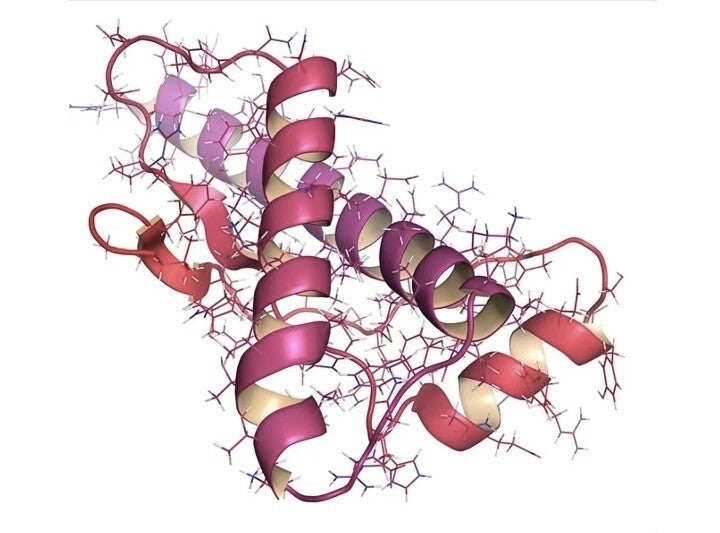
The Courage to propose a daring Interpretation
We read with great interes the comprehensive and essential guidelines from the hCAMI subcommittee regarding oligoclonal bands (OCBs) in multiple sclerosis (Clin Biochem 2026;142:111098), following their two-year-long committee, a finalisation phase by December 2025, and final publication in February 2026.
We would like to propose the following consideration: could an abnormally elevated IgG INDEX, alongside an OCB count ranging from 2 to 10, simply indicate the presence of enough diverse highly immunogenic antigens (as demonstrated in cysticercosis) sequestered within the neuraxial space? If the modifiable properties of blood-brain-barrier (BBB) allow for such sequestration, the CSF antibody concentrations may merely mirror the stable neuraxial presence of pathogens. And which pathogens might these be—elapsing the detection of other analyses—if not the 'chameleon-like' Cysticercus types, which are known to remain undetected for long periods?
Our clinically-based reappraisal of 3-Tesla MRI features, as detailed in our blog section, suggests a causal relationship clearly denote a causal relation between the microbiological stigmata of the disease, clinical history and the radiological presentation. We propose that 3T MRI-retrievable cysticerci are directly pathogenetic in these neurological and systemic conditions. It is also vital to recall the potent immunosuppressive capabilities of Cysticerci, which facilitate bacterial of parasitic superinfections —a state of coinfection that further has complicated until here, a definitive, crystal-clear causal diagnosis—. Furthermore, the fact that OCB/IgG concentrations in the CSF can be mirrored in tears with high concordance rates warrants highlighting (Lebrun C., Rev Neurol, 2025). Given that even gadolinium-induced multiple system atrophy can produce OCBs, phsicians should be allowed and guided to think that the intersection of 'allergogenic' gadolinium and cysticercosis may represent a significant 'biological dysreactive storm' for the patient.
Finally we must ask: what if the known PrPSc and Aβ proteins—described as prions due to their self-propagating conformations (Prusiner S.B., Annu Rev Gen, 2013)—were actually instead proteins belonging to a self-propagating, "undiagnosed" pathogen? Specifically, could these represent undiagnosed cysticercosis, previously overlooked due to the historical lack of high-resolution diagnostic tools such as 3T MRI?
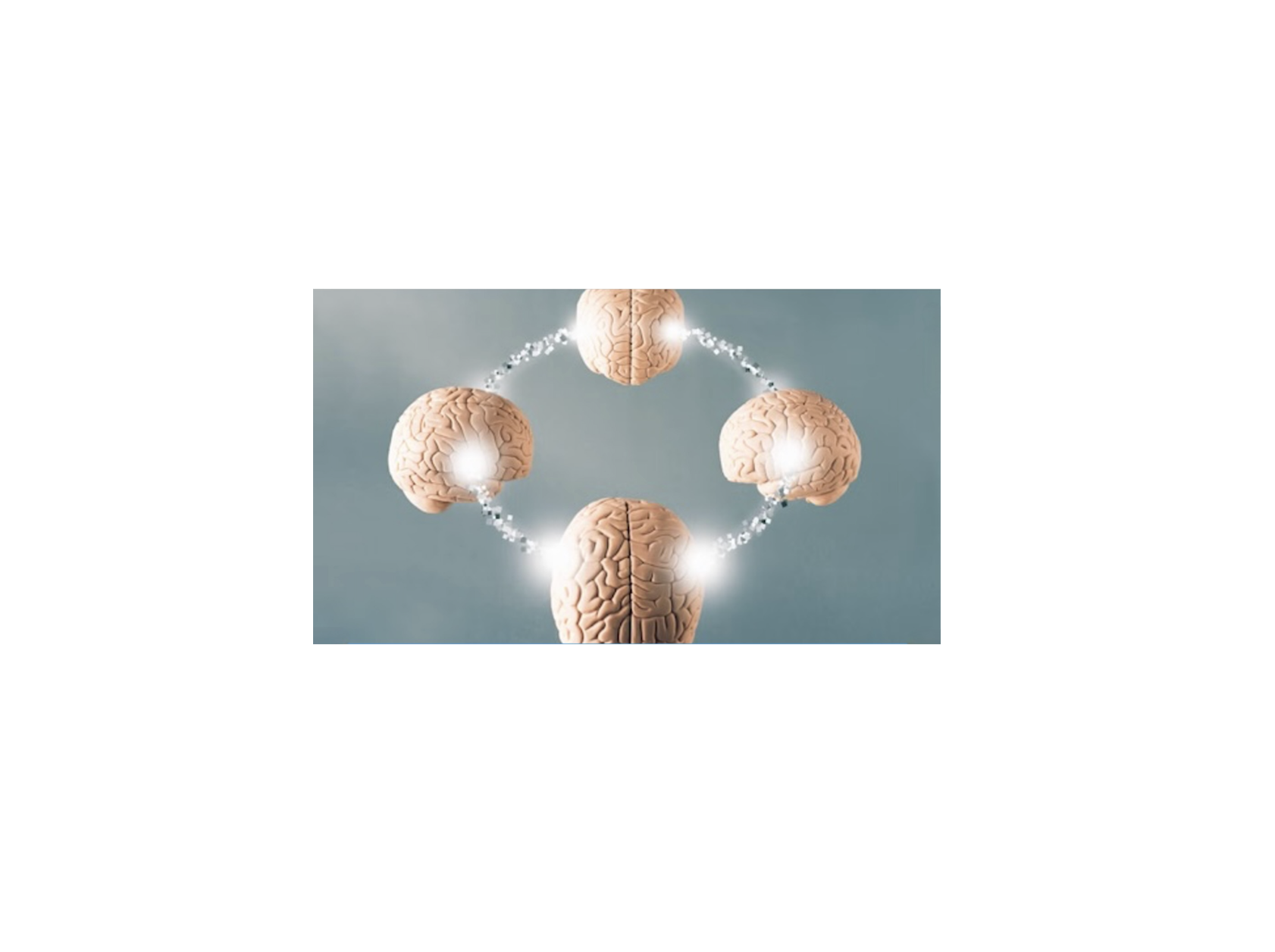
The small picture
Despite accumulating errors, numerous salvage pathways remain anyhow active. In the growth of a snowflake, even if complex cloning process exhibits non-negligible errors here and there, the outcome remains remarkably symmetric, —as if an impalpable direction were governing an underlying 'project' despite its complexity—. In principle, its process of formation, indeed, could in principle could follow an astronomical number of combinations, as billions of billions of molecules assemble hexagonally along combinatorics; theoretically, a single imperfection in a dendrite should result in a total loss of symmetry. Instead, a form of distributed communication organizes the crystal growth so that the development of a single branch is almost perfectly mirrored across the remaining five. However, this unique perfection has its limits—a physical constraint on growth—as a one-meter-wide snowflake does not exist.
Had the term 'snowflake'—defined as a person with an inflated sense of uniqueness—not been named a 'Word of the Year' and the defining insult of 2016 by the Collins Dictionary, we might not have so attentively considered the physical implications of its resemblance to human cognitive growth and interconnectedness. This latter quality is particularly unique; when exerted through non-verbal communications between minds, it relies primarily on quantum entanglement and the exchange of cerebral electromagnetic fields(EMFs). These silent, light-speed communications, at light speed, are typically present and filtered of mistakes within the restricted groups to which an individual belongs. They shape growth, beliefs, and the transition into adult life, most truthfully indicating who a person is and where they are directed.
"Each person could be considered as a quantum entity entangled with a quantum photon field and both represent our individuality. The quantum entity is purely matter and localized, while the quantum field is purely energy and spread far and wide" (Bajpay RP. J Nat Soc Phil 2015). Consequently, each of us possesses quantum fields ready to entangle with one another; reciprocal interchanges are not merely the mechanical interactions of isolated subjects, but the convergence of both compounded matter and pure energy levels. At the microscopic level, molecules tend to occupy regions of space that extend beyond the bounds dictated by Van der Waals radii. When an atom is immersed in an 'electromagnetic ocean', the consequences of its presence are communicated beyond its physical boundaries. While light is emitted when the EM shell is broken, it is also true that EM shells form the backbone of matter, confining an otherwise swift as light EMF in specified regions of space and even more (superluminal quantum communications). When energies meet a new shell is formed, with diverse new encircling EM halos, as the whole is not only the sum of its part, since, if they sum linearly, their shapes do not, and the whole summed EM halo, will be greater and different from those of the originating addends. The final settlement is constrained both by the geometry of each single molecule and the realisation of a global displacement, minimising the energy of the entire system of shells (Funaro D. 2022. hal-03899223).
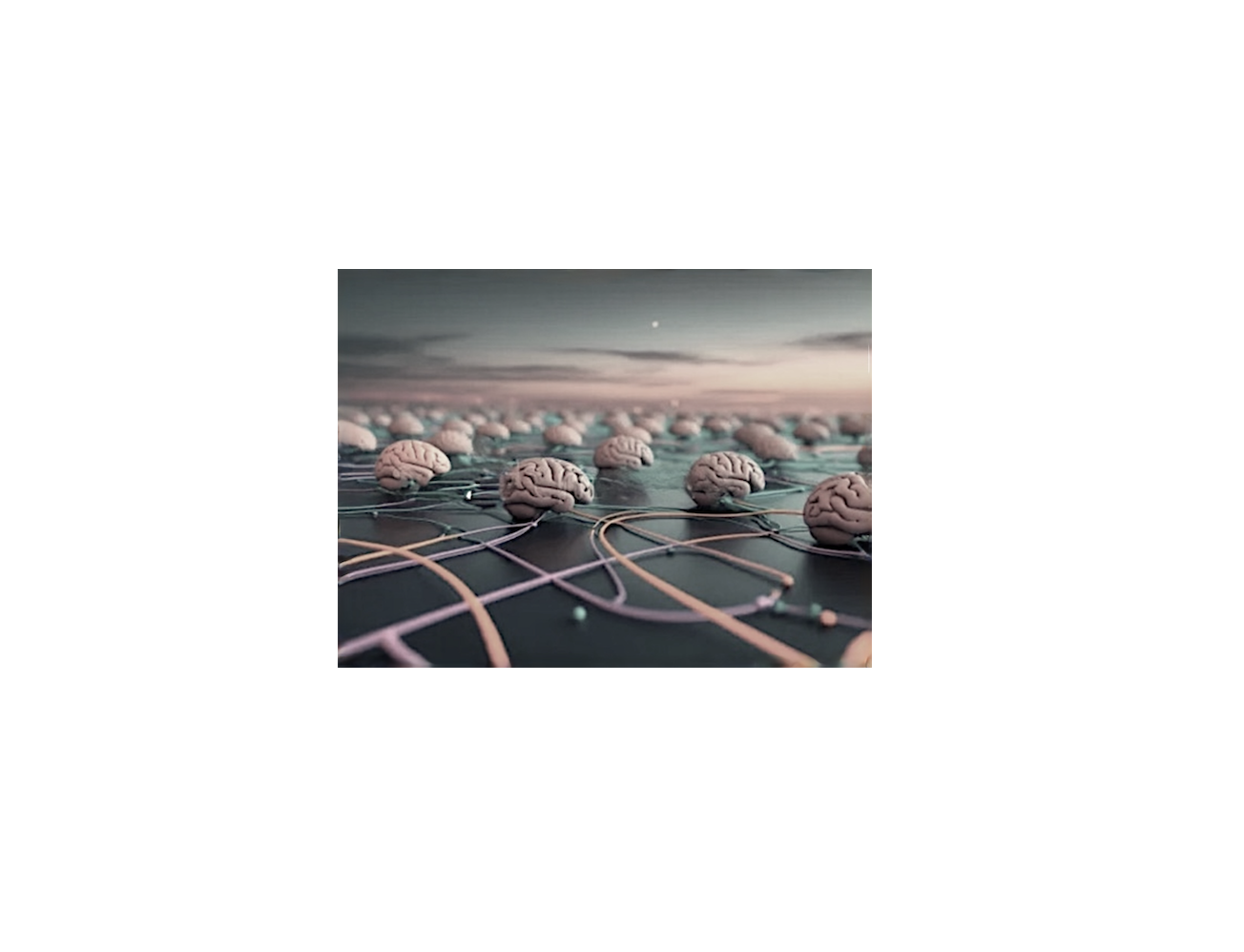
The big picture
What if we were catalysts for those closest to us, reflecting the true assembly of the human environment?
At the microscopic level, DNA itself has been likeed to a magnetic solenoid, with nucleosomes acting as magnetic lines of force along the axis.The universe emerges as a continuum composed of independent, quantized, and nested electromagnetic entities, that evolve over time according to specific rules. Individual brains' quantum coeherence fields, detected by magnetometers at California University, extend beyond the individual brains. Using this method, synchronised quantum signatures were detected between people in close proximity, suggesting that their respective consciousnesses entangle due to the 'proximity rule'. This concept is revolutionary: if quantum consciousness is truly "nonconfined" to the body, the boundaries between individuals are fare more nuanced than previously thought. Compassion and telepathy appear to be woven from this inner texture of shared quantum signatures, which remain entangled, even when individuals are distanced.
The physical pillar of this exchange —the fabric of sentiments and thoughts— is constituted by brain waves/particles, and specifically of electrons magnetically- hyperpolarised in their spins. We suggest these are the ideal candidates for conveying cerebral messages, between individuals, given their very high magnetic energy and spin moments.
Under external magnetic fields, the electron spin within the brain become hyperpolarised, with a particular proficiency —even when compared with the fit protons— These electrons may act as solitons, or not (those of ETC), in mediating the physics of telepathy and of instantaneous, non-verbal, nor-gestural interpersonal communication. This framework extends to person-to-animal telepathy and the increasingly studied field of brain-computer interfaces.
The is among the most mitochondria-rich tissues in the human body, and, consequently, one of the richest in electrons. We propose that mitochondrial electrons, in their dual nature as particles and waves, are the primary mediators of quantum entanglement. This explains telepathy as a form of energy exchange and accounts for various other complex cerebral phenomen
Electrons possess a significantly larger 'fitness' for carrying and returning energy, as compared to protons, proportionally to a really relevant ↑e-/↑H+ hyperpolarisation ratio (evident when both are exposed to a magnetic field), being equal to the ratio of their respective gyromagnetic ratios ɣ, which is, as told, rather high, as approximately equal to 658. This means that electrons, under magnetic fields, exhibit a nearly 700-fold greater ability to gain and exchange energy than protons. Furthermore, the inherent ratio between their magnetic spin moments is even more substantial and corresponding to 1836 in favor of electrons. Consequently, the power of electrons to transfer EM-encrypted energy and message, is around 2000 times higher than those of the mitochondrial protons, —the latter being partitioned between internal synaptic plasticity and outbound communications that create a shared, perceived knowledge or 'entangled' consciousness.
At the pure biological level, a compelling question arises: what if the numerous neuronal errors produced by accumulated, OCBs-organized "brain molecular mistakes" not only are allowed to entangle with an individual's inner circle of few other brains/persons, but, more dangerously, spread across larger population networks? Could we regress to the state of our Stone Age ancestors? As hinted at, and according to the same Einstein's words, in brain, any cognitive 'process', awareness, conscience, meditation, knowledge, working memory, and "silent" communication, are tuned to a frequency millions of times lower than "standard radio" (10 Hz vs ≥ 300 GHz, wv length > 1mm) across which quantum entanglement works. This is the "spooky action at a distance" that defines quantum entanglement, manifesting as oscillating brain waves. But we must ask: what happens to this system made of brain electric oscillating waves, if the underlying biology is diseased?
What's in and what's out
Brain waves appear to directly parallel thought formation and cognition, both of which, alongside brain waves, can be substantially enhanced, improved and healed by external magnetic stimulation. Recent research has shown that both visual (saccadic) eye attentional movements, or auditory speech waveform envelopes —in any of the mainly spoken languages— exit the sender's brain and enter the receiver's brain at a corresponding slow 4-8 Hz ϑ (theta) rhythm of eeg waves. This rhythm synchronizes both the individual's brain and the interpersonal neural connection. Working memory, hippocampal long-term memory, and general cognition are similarly acquired at this same ϑ-rhythm (Riddle J).
However, the quantum entanglements involved in distant communications, orbrain-computer interface (BCI) data exchanges, operate at much higher frequency than the 4-8 Hz range of ϑ waves, approaching the millimeter-wave spectrum of milliwaves (approximately 30-300 GHz, wv length 1-10 mm). It has been suggested that quantum coherence is the driver behind these near-instantaneous communications. This coherence provide not only the foundation of consciousness —with its main biological correlate in improved cytoskeleton and microtubules function, essential for presynaptic neurotransmitter-release— and other far-reaching neurological "superproperties". Indeed, remote quantum entanglements may facilitate communications as the light-speed, as far-reaching as long-distance calls, as they cover distances comparable to those separating Earth and satellites, provided the surrounding environment does not "cancel" these waves, through quantum decoherence. A mystery explained, quantum entanglement, in brain processes, matched thoughts from individuals who were once united, and then remain "close" persons, regardless of physical.
Fascinating and not yet completely understood, quantum entanglement involvement. in brain physiology deserves better and more in-depth investigations. Still, certain actions cannot exist solely as thoughts, or be verbalized in seconds; they require time for analysis and verification, as they are being formed. Thus this need barely matches with thought "transferances" which are every day swifter between emitters and receivers or between emitters and brain interfaces. It has been observed that "this fact might allow one individual to sense fear, surprise, pleasure or curiosity in a nearby individual that they cannot actually see or hear, and perhaps to even form basic mental images of the event which provoked the emotion and it's location, such as a nearby predator, a food source or potential mate. This would certainly have some interesting effects on the social development of the species". However, whether it would be possible to communicate in thought "....dinner at Susan's at 8pm, bring the canapes and this time don't get drunk" is another matter."Some cerebral outputs must be, necessarily, as the same word state, OUTputs, subject to being 'snapshotted' by the author for pondering and correction.
Finally, it is interesting to mention that, since brain magnetic field is 100 time weaker than heart, and less far-reaching (as the brain's MF extends 63 cm and the heart'sMF extends, according to sources, from 1 to 4 meters from the person) could travel farther and really "hit the road" only when it finds an emotionally synchronisation with magnetic field of heart provenance, somewhat of being wrapped around within heart's generated "emotions", embodied by the sympathovagal balance in some measure to be referred to as to the "central" cardiovascular system.
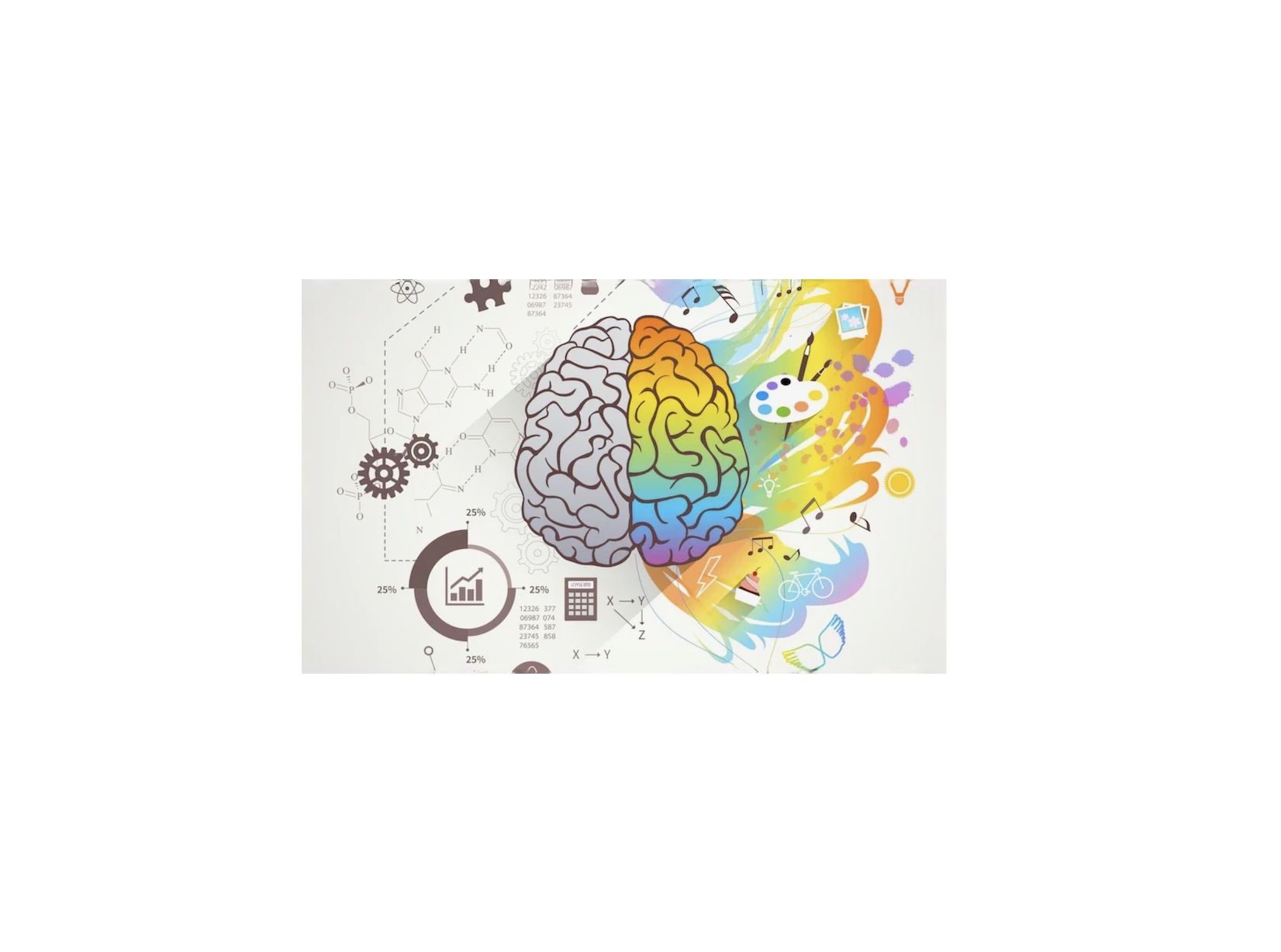
What's left and what's right
The musical brain is entrusted to a widely. distributed neural system rather than to a single brain area, such as the right hemisphere, as formerly believed.
While the right auditory cortex has been specifically linked to the retention of rhythmic patterns and the recognition of musical instrumental timbre, —capabilities notably absent in the corresponding left auditory cortex— data from the 1970s which confined musical knowledge solely to the right hemisphere has been largely superseded.
More recently music-processing areas have been found spread throughout the brain—anterior to posterior, dorsal to ventral, and across both hemispheres— These areas are "interpellated in various sequences and combinations", as brain activation patterns shift depending on which musical elements the listener focuses on. Consequently, musical experiences are recognized as multimodal, involving the auditory, visual, cognitive, affective, memory, and motor systems, each engaged in sequences tailored to the character of the music.
We should view the brain's relationship with music as a process, rather than a single task. This process sequentially engages various brain zones to detecation rhythm, type of instruments, timbre, retention of rhythmic patterns, and so on. Research from 1998 research indicates that the areas responsible for detecting melodic, harmonic, and rhythmic errors operate independently of one another. Furthermore, music "reading" appeared, in addition, contralateral (on the right) to the same areas of written words "reading" appears to be processed contralaterally —in the right parietal, occipital, and temporal lobes—to the areas used for reading written words. Additionally, the 'speaking' musical brain exhibits different electrical activities depending on whether the subject is a sophisticated or a naïve listener.
"Incoming music" is classified by working memory, as similar or dissimilar from previously memorised pieces. However, the specific brain area responsible for delegating emotional responses, —whether positive or negative—remains unidentified.
Interestingly, the areas processing music-related emotions appear to be entirely independent of those processing emotions from other stimuli. Consequently, no definitive mechanism has been advanced regarding the localization of brain zones involved in the entrainment process for treating pain and anxiety, as practised by music medicine.
The correspondence between music "reading and speaking" with hand-lateralization also remains imprecisely defined. Whether up to 30% of left-handers "Broca and motor cortex lateralization" is entrusted for to right hemisphere for language and words, and up to 10% to both sides, in music listeners and producers it appears that left-handedness is related to a complex behaviour. Left-handers may either display a more definite involvement of the right hemisphere due to reversed brain asymmetry, or more frequent bilateral control auditory and motor speech functions. Remarkably, 40% of the left-handed musicians, process language in the right side of the brain (Villar-Rodriguez, 2020).
Finally, musicians demonstrate increased brain connectivity and dual lateralization for both word and music processing (Mado Proverbio A, 2013). Their neural representations of phonemes–functional connectivity configuring speech encoding and cross-modal auditory–motor integration appear far superior in both auditory and speech–motor regions, compared to nonmusicians, particularly when processing speech, especially in noisy conditions (Du Y, 2017).
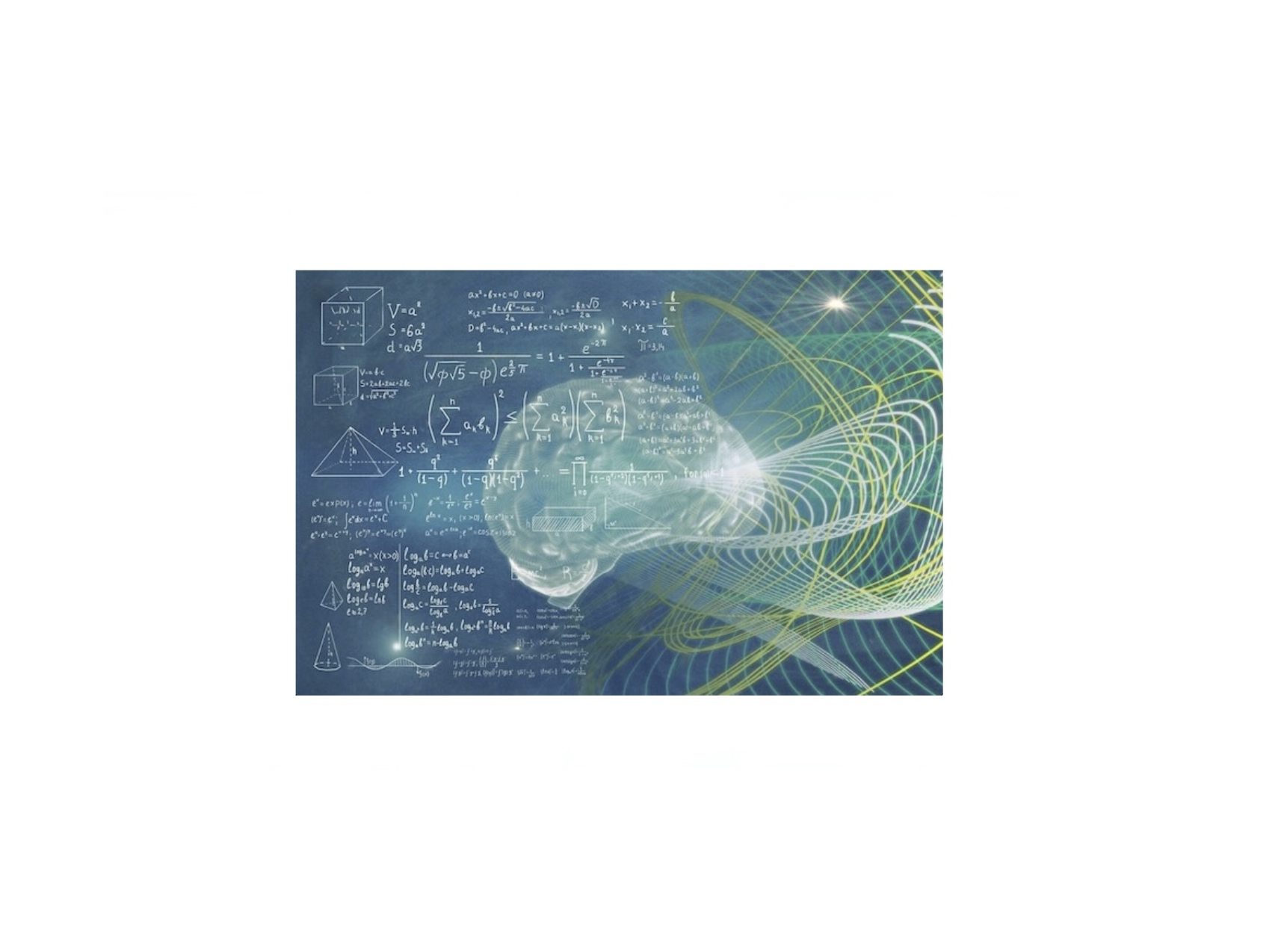
Listen to me: We are entrained by music and speech
(Doelling KB, PNAS 2015)
Studies have documented cortical electric oscillation capable of following everyday speech, and synchronyzing with the rhythmic structure of acoustic inputs. Similarly, very low-frequency, slow δ (delta) and ϑ (theta) cerebral waves (< 8 Hz) entrain to music in a pattern sensitive to individual experience. Magnetoencephalography (MEG) has confirmed this process, proving that entrainment varies significantly between musicians, and non-musicians, and even among musicians with differing years of experience. Specifically, neural is enhanced in direct proportion to years of musical training.
While nonmusicians often struggle to follow tempi below one note per second, musicians exhibit enhanced entrainment, accordingly to years of practiced music. This behavior-linked perception and electrophysiological process—first detailed in 2015 (Doelling K.B., Poeppel D.)—relies on the phase-locking of neural oscillations to external stimuli.
With increased musical training, the appearance at EEG of β (beta) wave responses (∼15–30 Hz), indicates escalating proficiency in processing musical content, and constructing hierarchical rhythms, effectively building a sensorimotor synchronisation network. Furthermore, the latency of brainstem auditory signals in response to both music and speech,—an indicator of brainstem plasticity—is significantly improved (reduced). The cerebral areas involved in entrainment extend beyond the auditory cortex to include the somatosensory, motor, and visual regions, which likely provide modulatory rhythmic input.
This training effect, appears related to the progressive involvement of additional cortical areas; β (beta) power correlates with accuracy in following music, the ability to detect pitch distortions (even in non-musicians), and the capacity of synchronizing with given rhythms and to predict new rhythms.
Moreover, enhancing musical entrainment has been shown to improve dyslexia in children and foster divergent—though not convergent—thinking.
"Many shoulders were scrambled upon in the completion of this work, like a tower of tumbling skydivers standing strongly in the four winds upon their imaginary framework that only they and Don Quixote can see. For it is the giants who must believe the existence of the windmill. And the rest of us to prove it. And would for we should never stop dreaming lest all should come crashing down? And who are those
skyclimbers who support with their minds and hearts?"
Hornstein M.
(The Oxford Handbook of Philosophy of Medicine. Chapter 30. Online ISBN: 9780197625866
Print ISBN: 9780197625835. Oxford UNiversity Press, 23 Sept 2025 epub, 28 Oct 2025 pub, Alex Boradbent Ed)
"Truth in medicine. It is difficult to deny that truth is important in medicine. However, although there is a general interest in the role of truth in science, the part it plays in medicine has received little attention and remains relatively untheorized. Medicine has a distinctly practical orientation and a fundamentally normative dimension—it is expected to cure patients, heal suffering, prevent harmful conditions, and so on—that tends to prioritize pragmatic over theoretical considerations. This gives the impression that understanding the role of truth in medicine might not be relevant to comprehending medicine itself. In order to assess the role of truth in medicine, different but related issues involving the very nature of medicine, its overarching aims, and some pivotal metaphysical problems related to medicine are explored in this chapter. The role that truth plays in medicine may not be significantly different from the role it plays in the “exemplary” natural sciences."
Maria Cristina Amoretti
(Sounding bodies: music and the making of biomedical science / Peter Pesic.Description: Cambridge : The MIT Press, [2022]),
"For Gerald Holton, teacher, mentor, friend, who encouraged me to spread my wings"
Peter Pesic
(Sociology of Religion, Volume 79, Issue 1, Spring 2018, Pages 35–57)
"In the Lord’s Hands’: Divine Healing and Embodiment in a Fundamentalist Christian Church. At Full Truth Calvary Church, members reject modern medicine, avoid prescription glasses, and even refuse to wear seatbelts, choosing instead to pray for healing and protection from God. Using three years of ethnographic data from Full Truth, I show that church members’ rejection of modern medicine is an embodied, or physically enacted, religious practice shaped by church teachings that assign meaning to the ill or well body. Moreover, I find that when members do receive medical care, they must negotiate competing institutional logics to frame the incident in religious terms, either as persecution or as a rejection of Full Truth teachings. These findings extend past research on embodiment to show that healing practices allow believers to express their faith in ways similar to those who perform religious identity through dress or diet. They further reveal that embodied practices remain inseparable from institutional meanings, such that rejecting one is rejecting both."
Lindsay Wood Glassman

Serenading Cells with (Audible) Waves
By crossing the boundaries between living and non living matter, sound and EMF have the unique ability of serenading and making thrive biological bodies. Due to the quantum coherence of their tissue cytoskeleton, DNA, & biological fluids, these tissues can be likened to living "masers" (Microwave Amplification by Stimulated Emission of Radiation). When "sampled" by external waves — even in the audible sound range— they generate long-reach, ordered electromagnetic fields and coherent energy states, rather than mere chaotic perturbations.
(Ackerman E Bull Math Biophys 1951, Astashkin AV J Am Chem Soc. 2006, Salari V, J Phys 2011, Dal Lin C Int J Mol Sci 2020, Kumeta M, Comm Biol 2025)
E.C.